| MODELL-U-BOOTE.de |
The SubMarine - a remote-controlled DIY RC Model Submarine
|
|
|

|
|
Photos and videos, building instructions and
building plans can be found directly after the text |
|
|
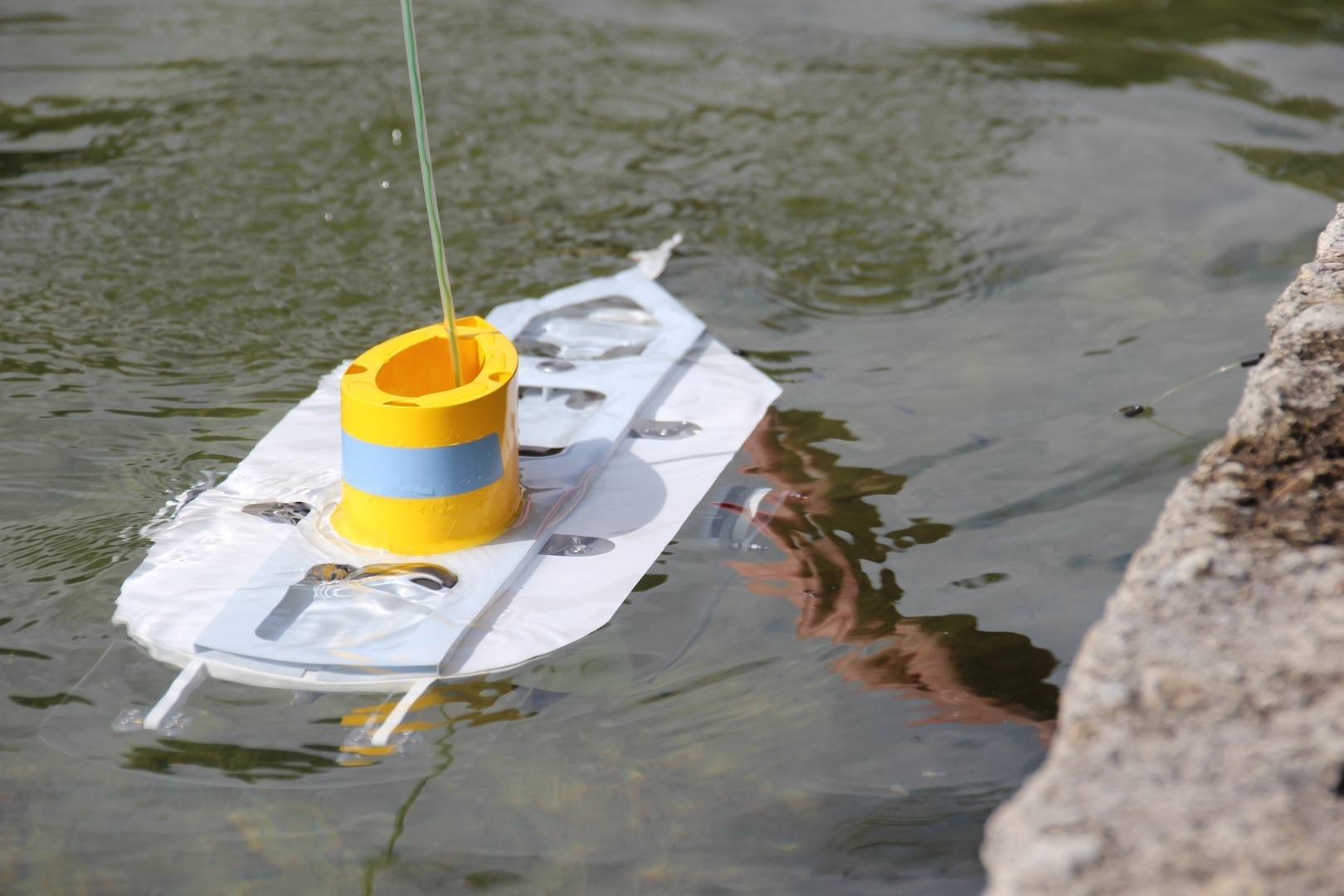
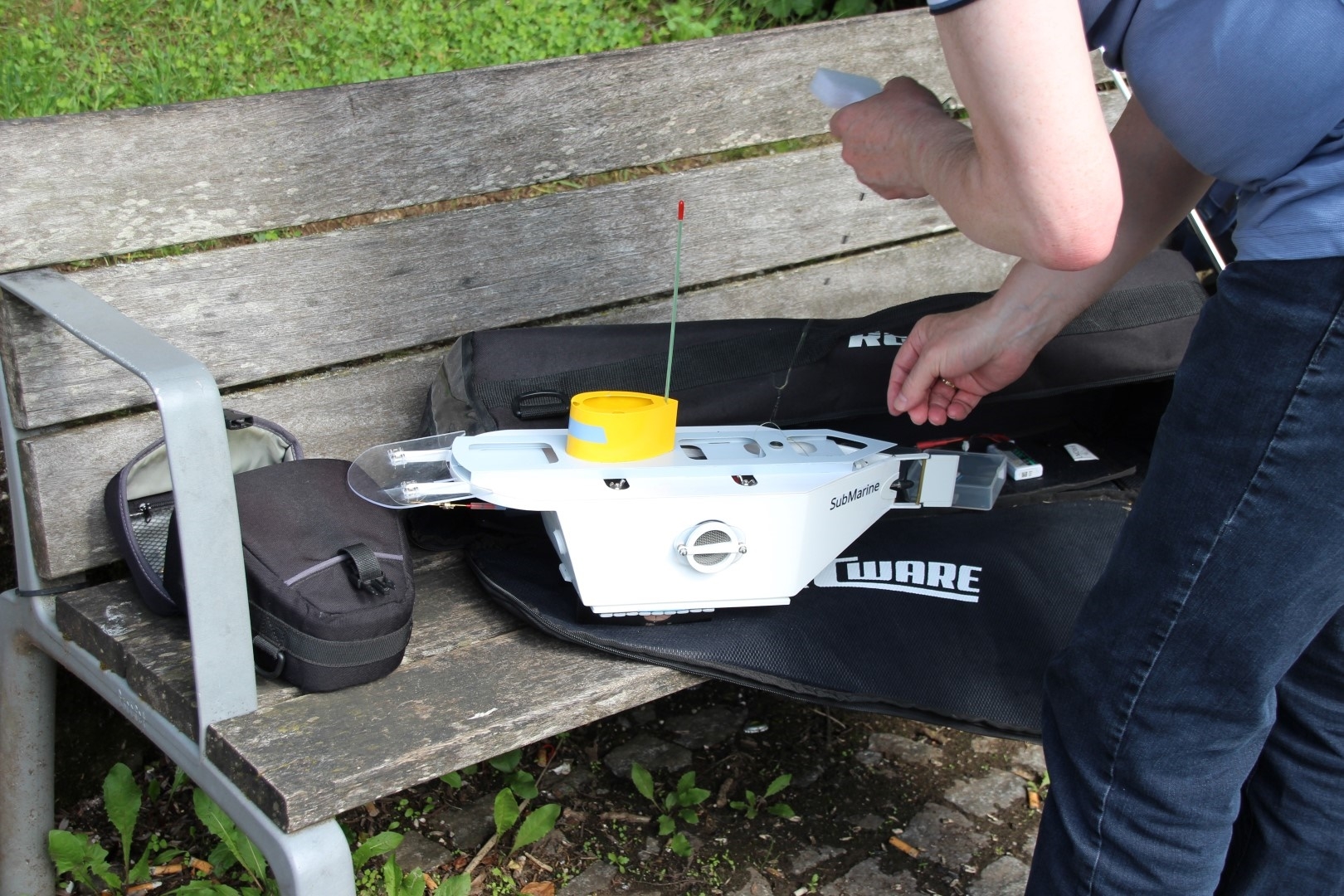
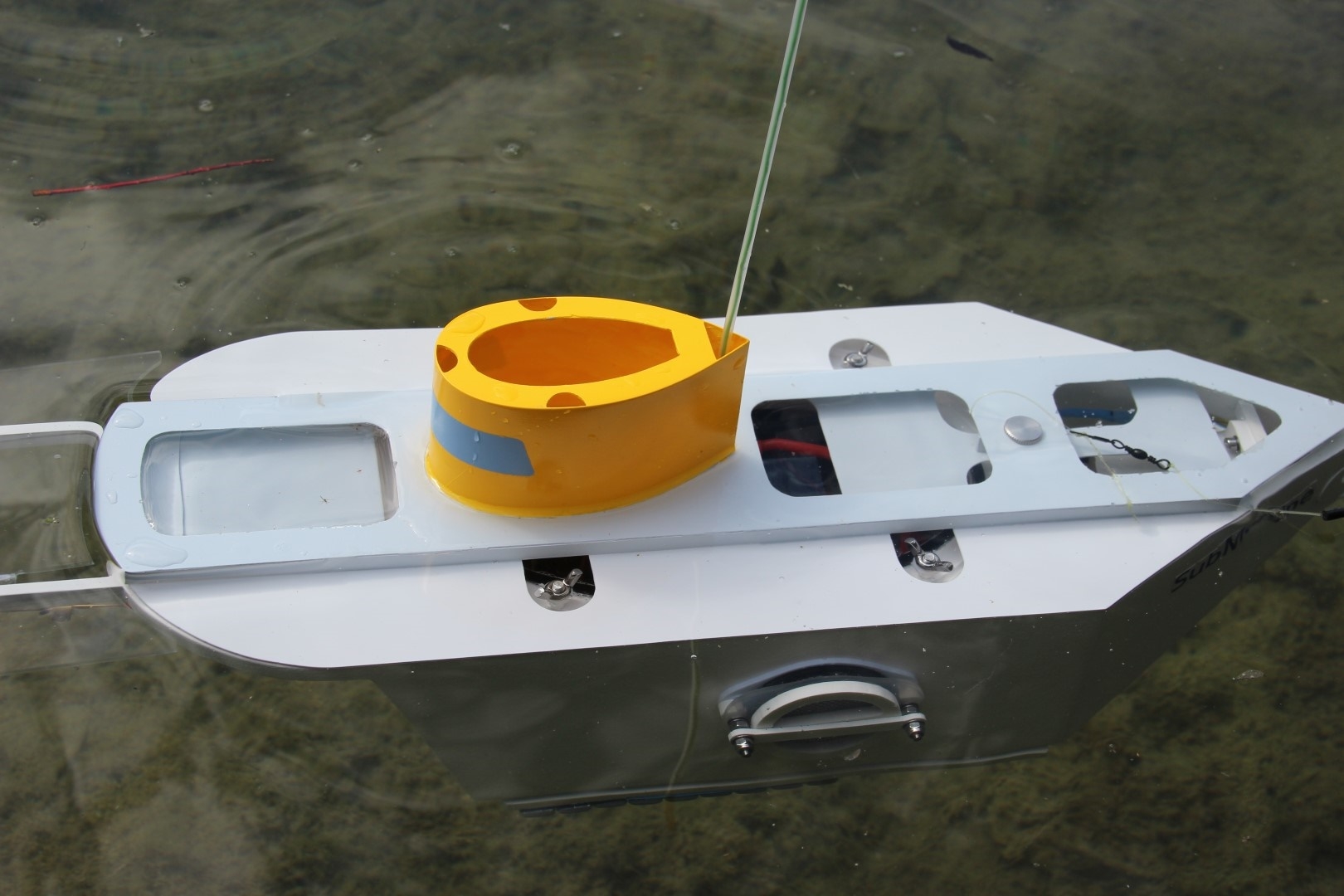
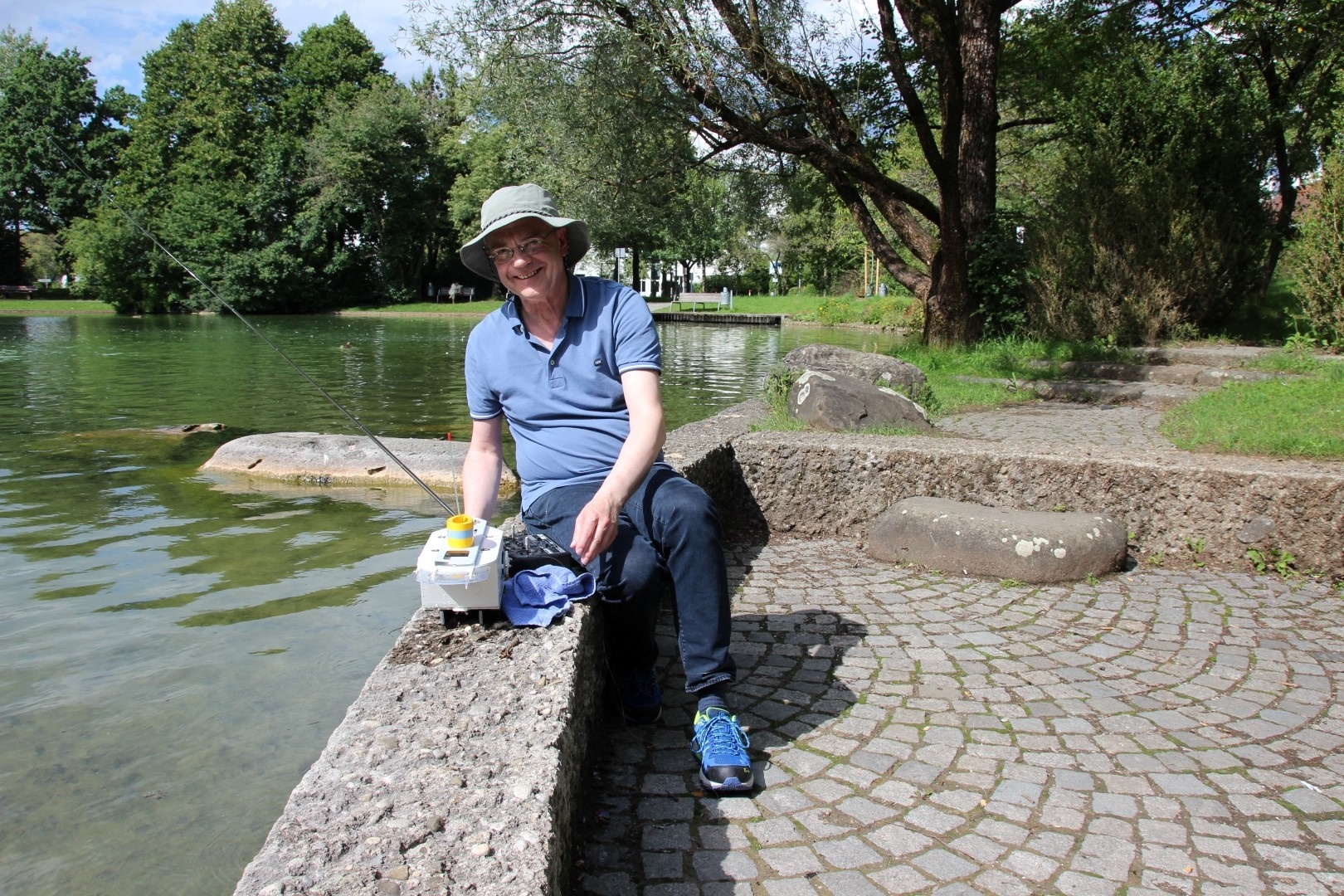
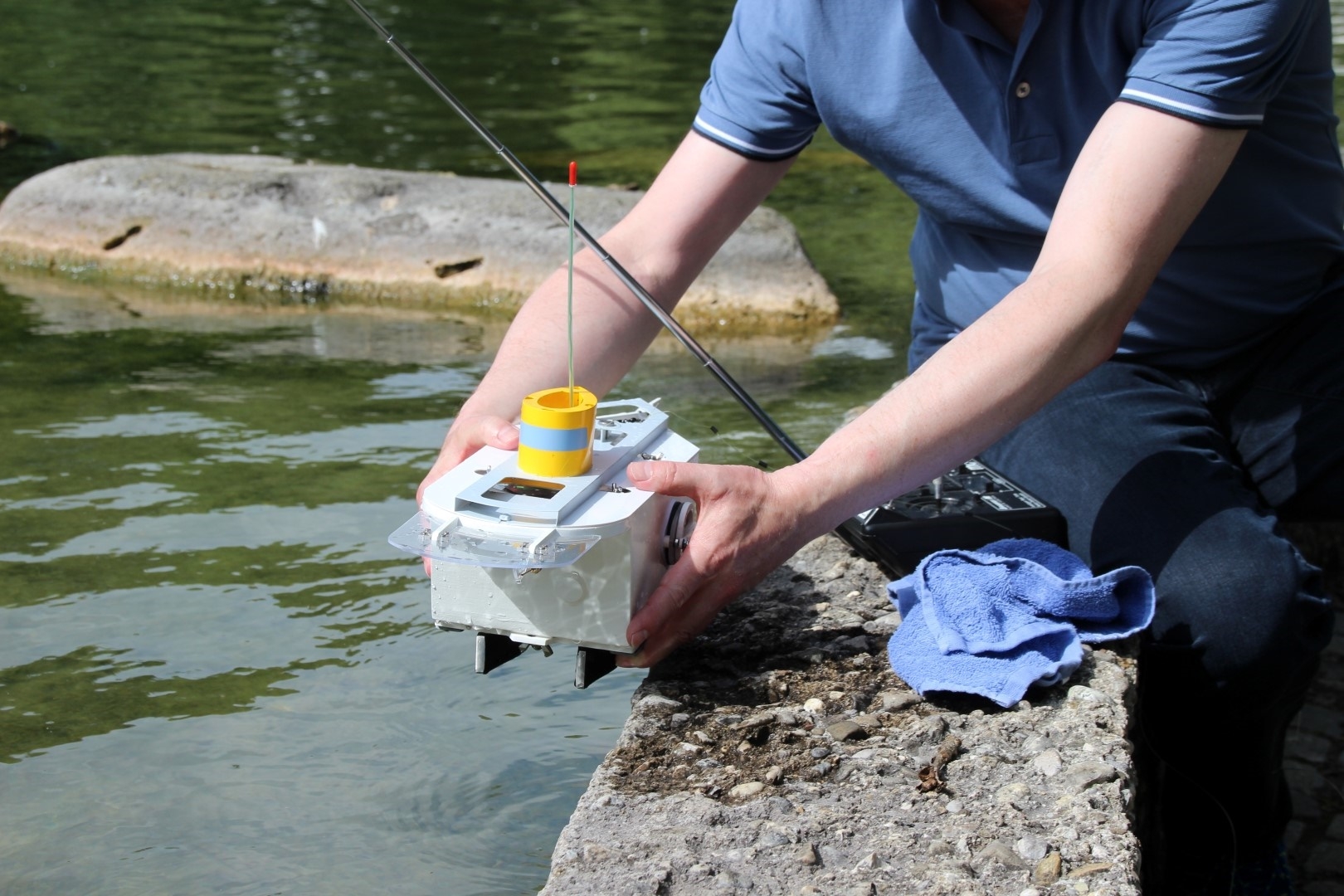
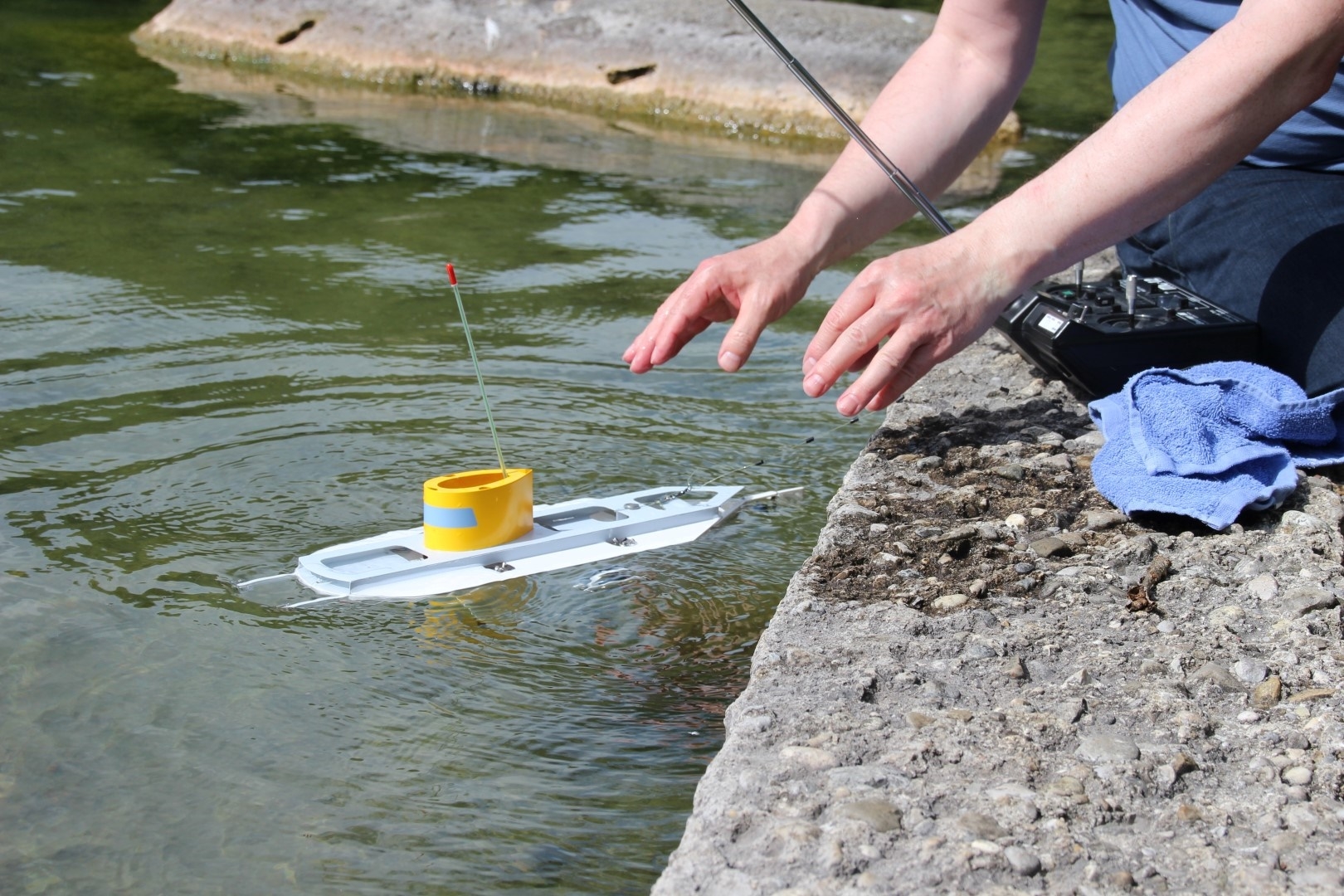
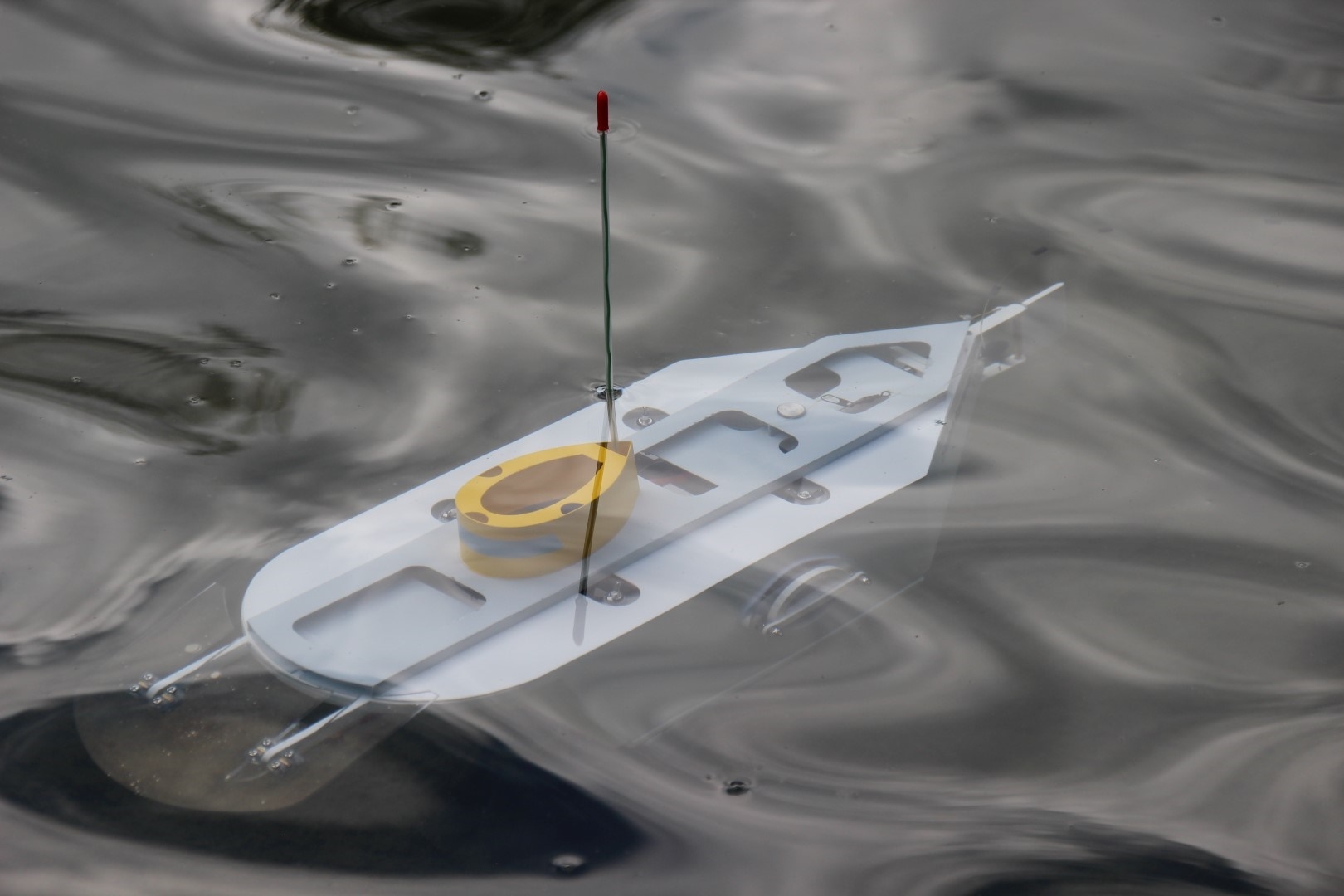
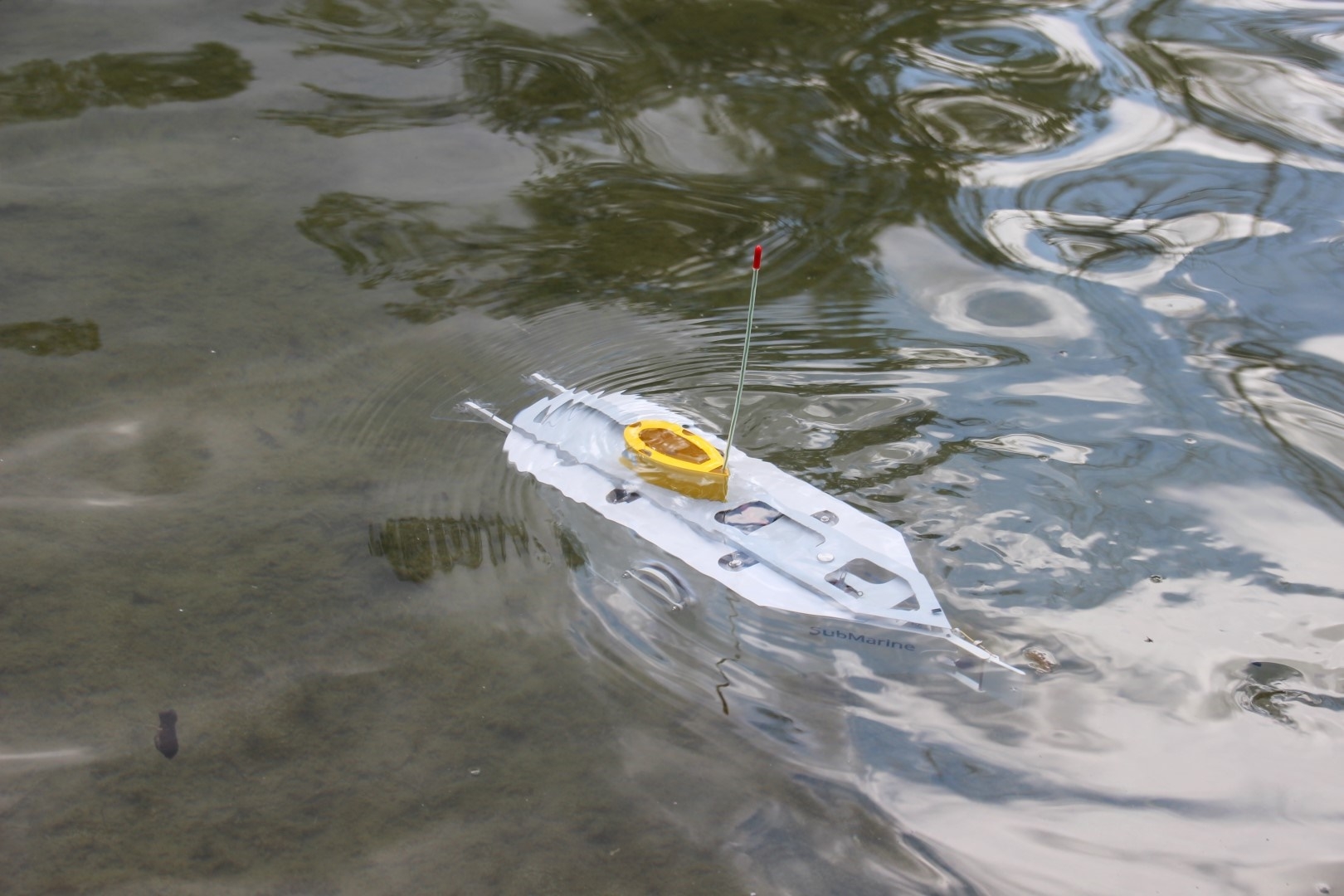
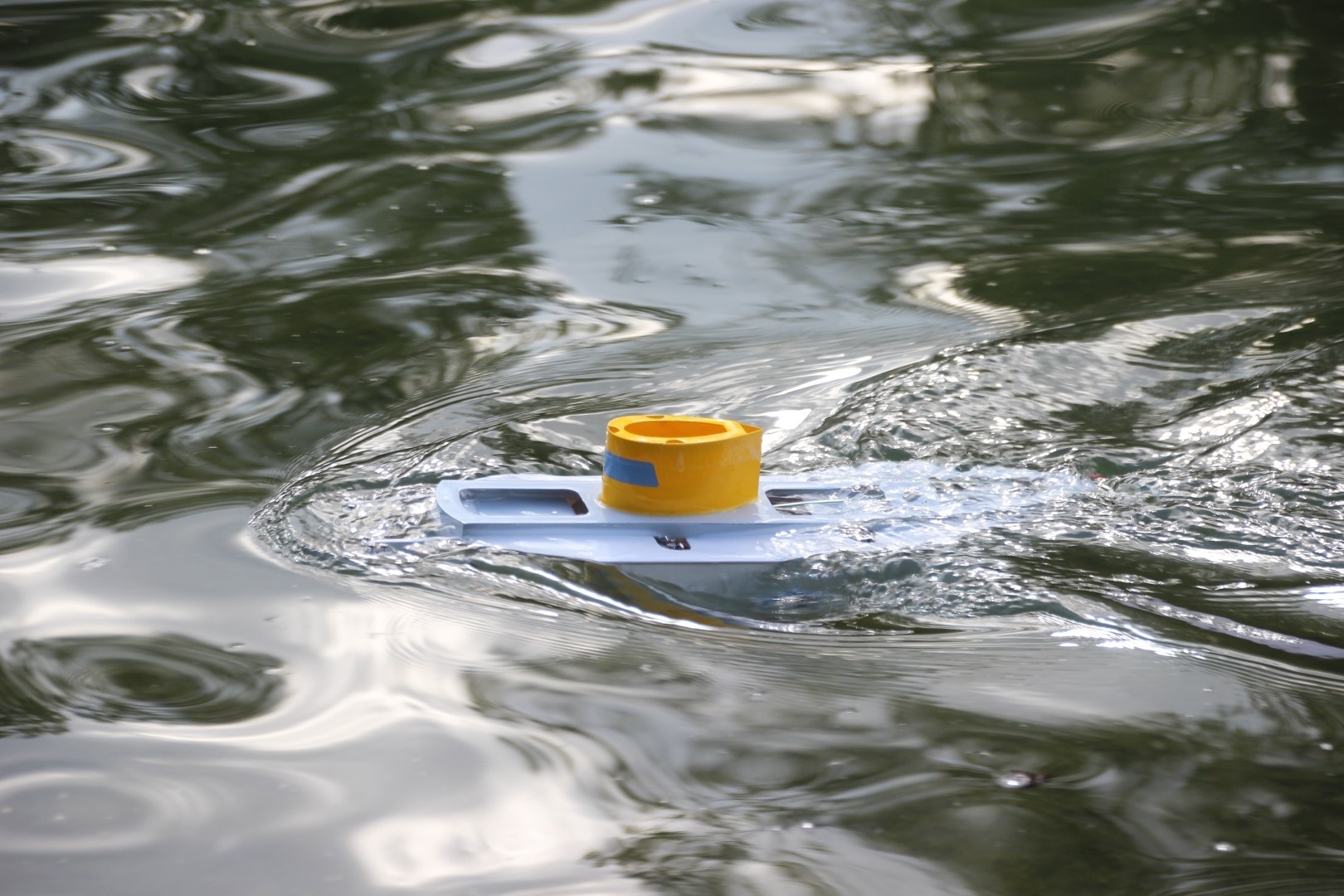
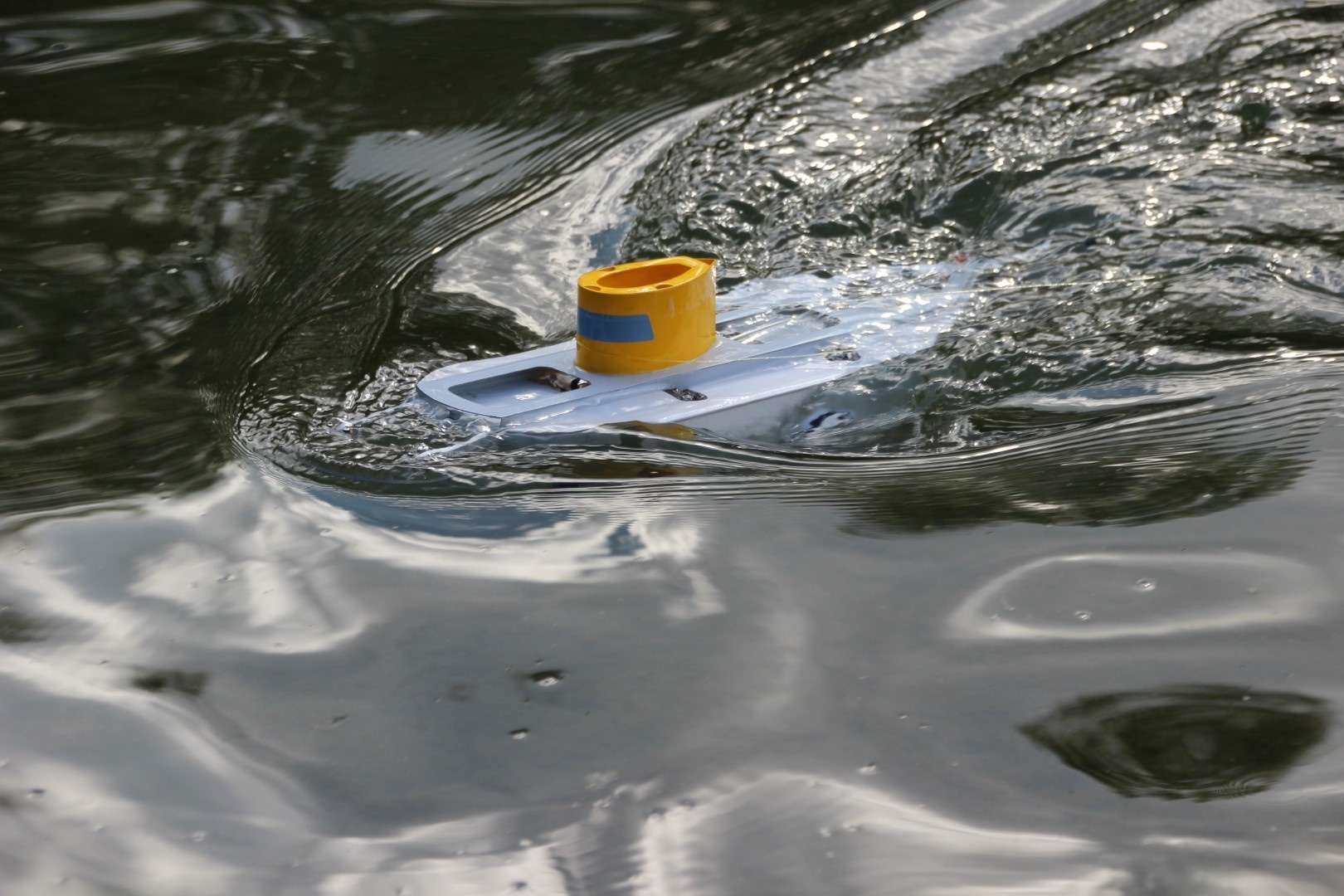
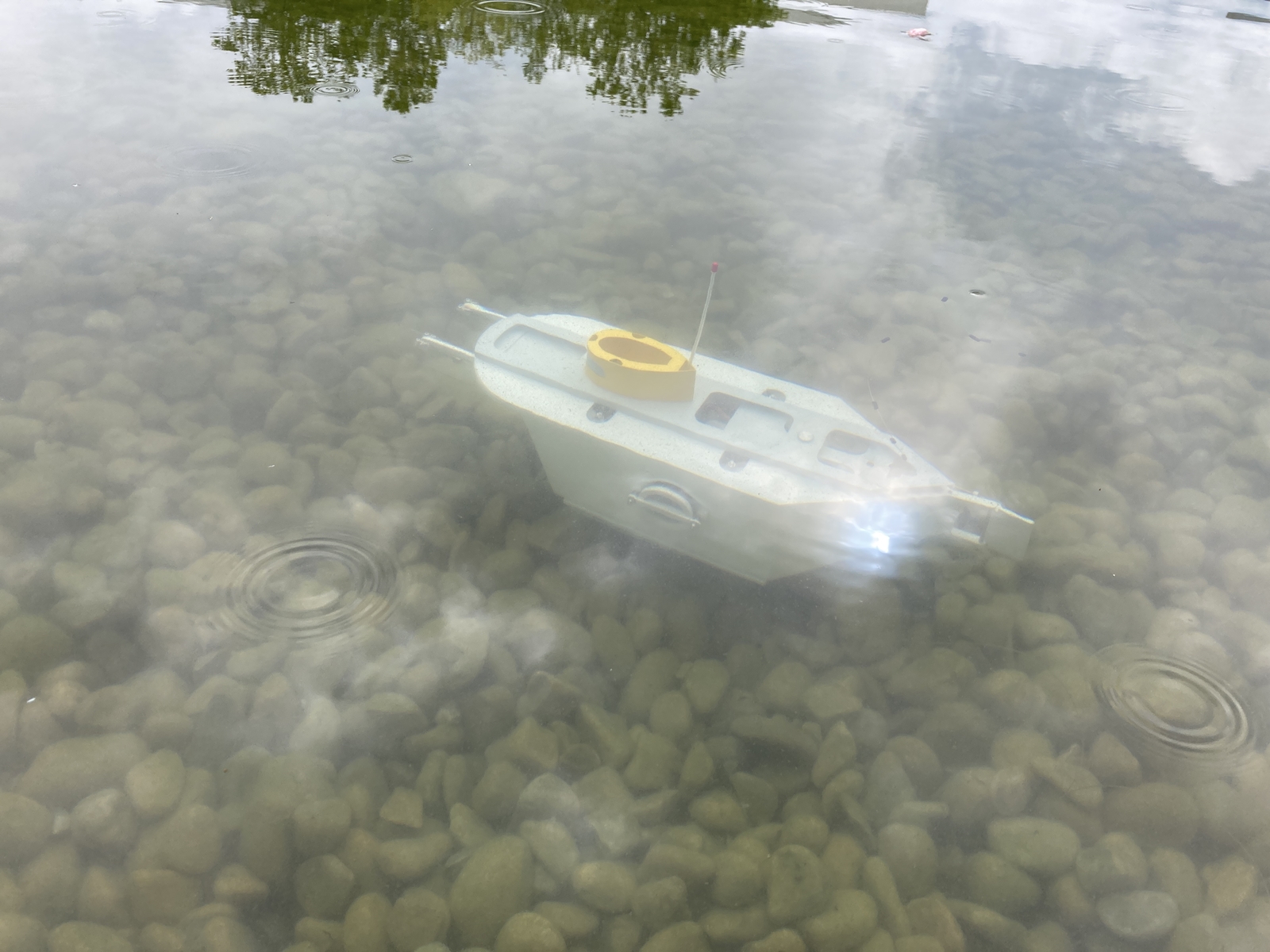
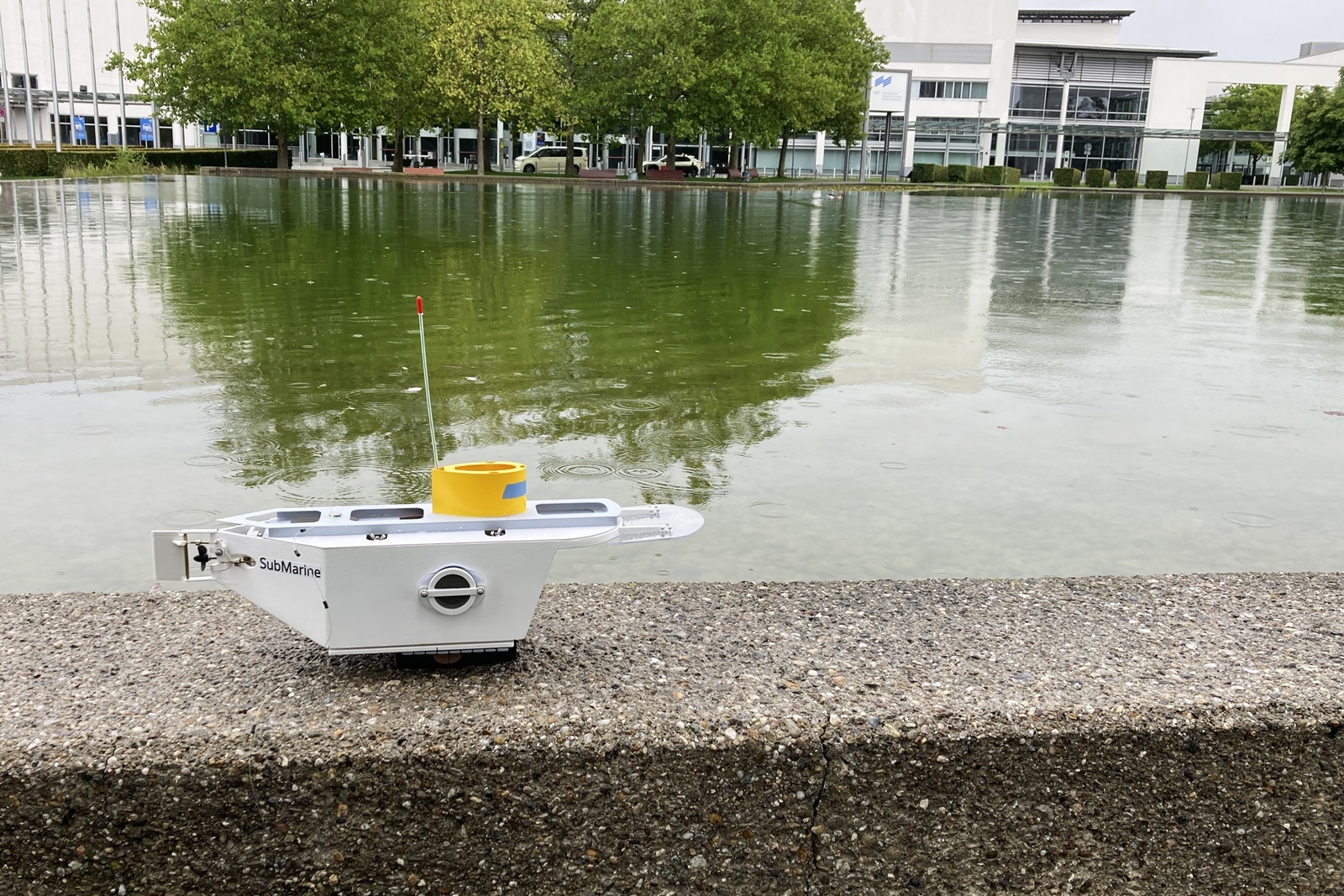
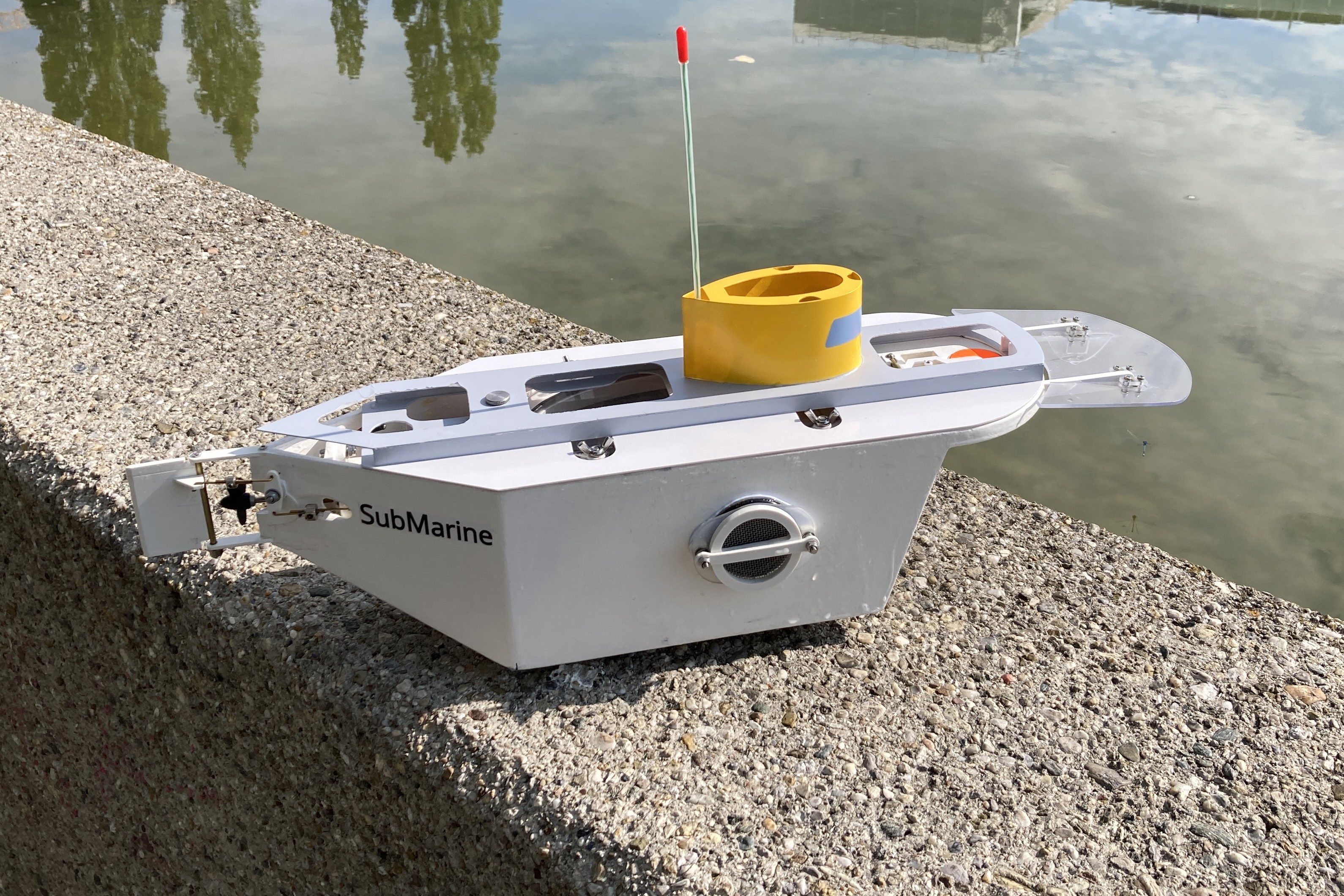
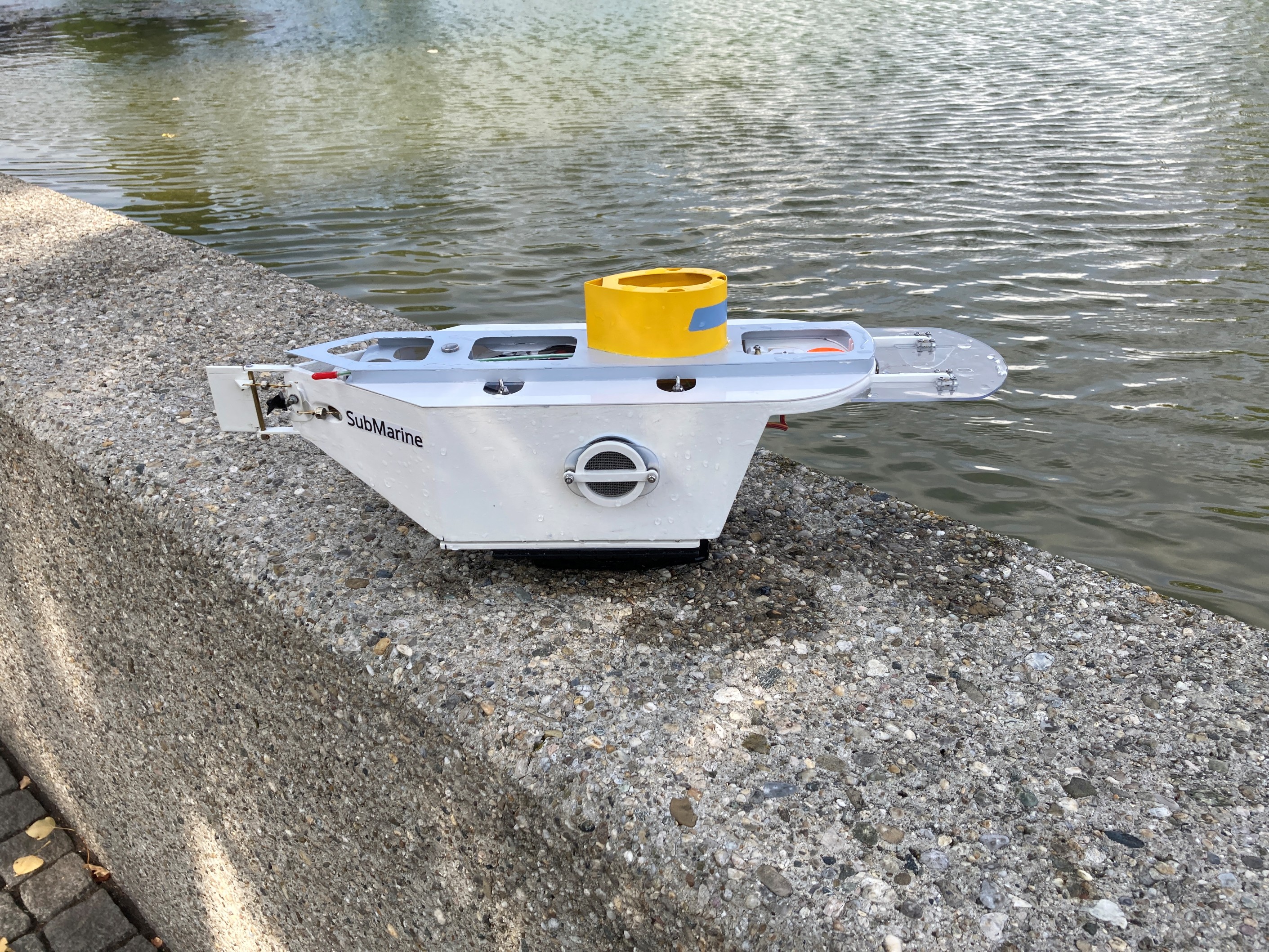
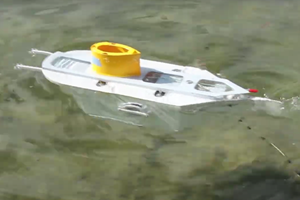
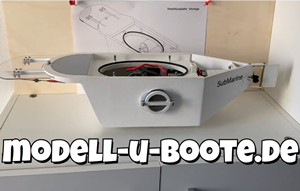
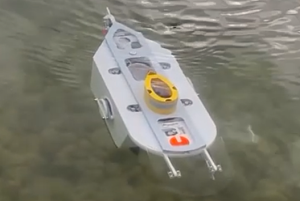
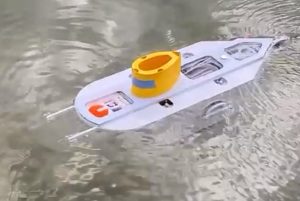
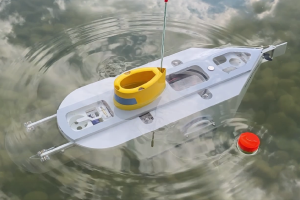
The SubMarine was designed based on manned research submersibles. Its construction is very simple, even if the assembly instructions and numerous drawings might not suggest as much.
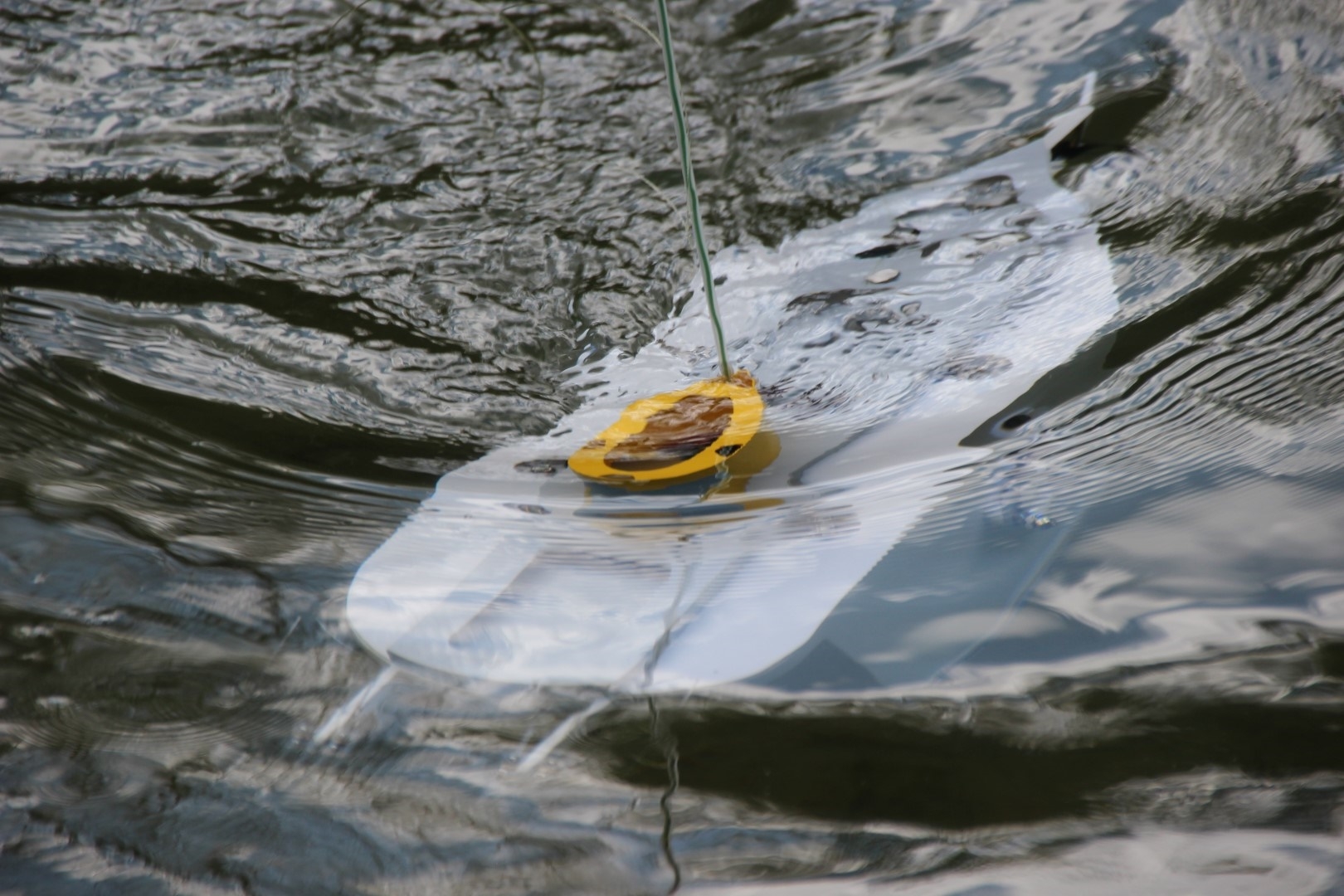
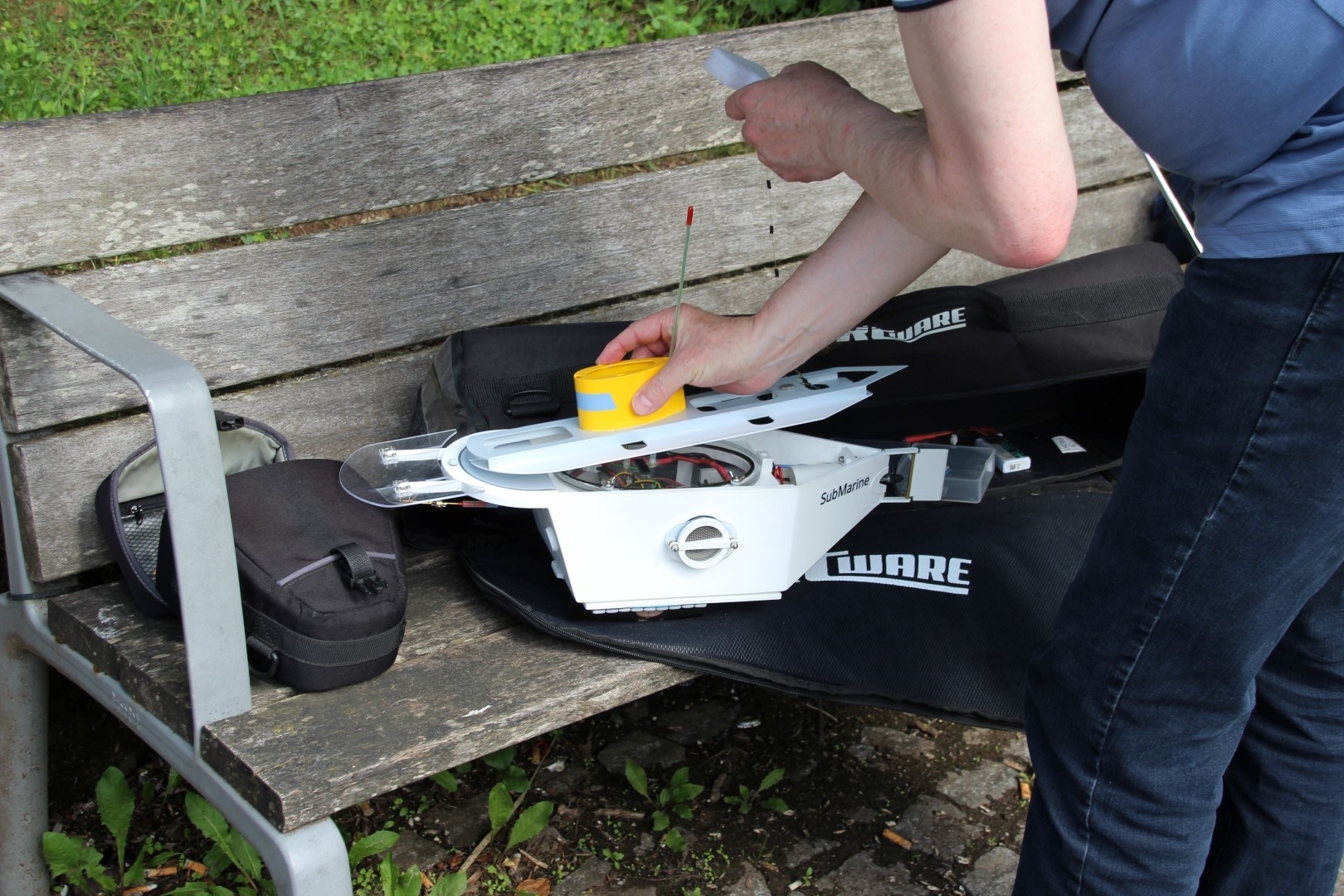
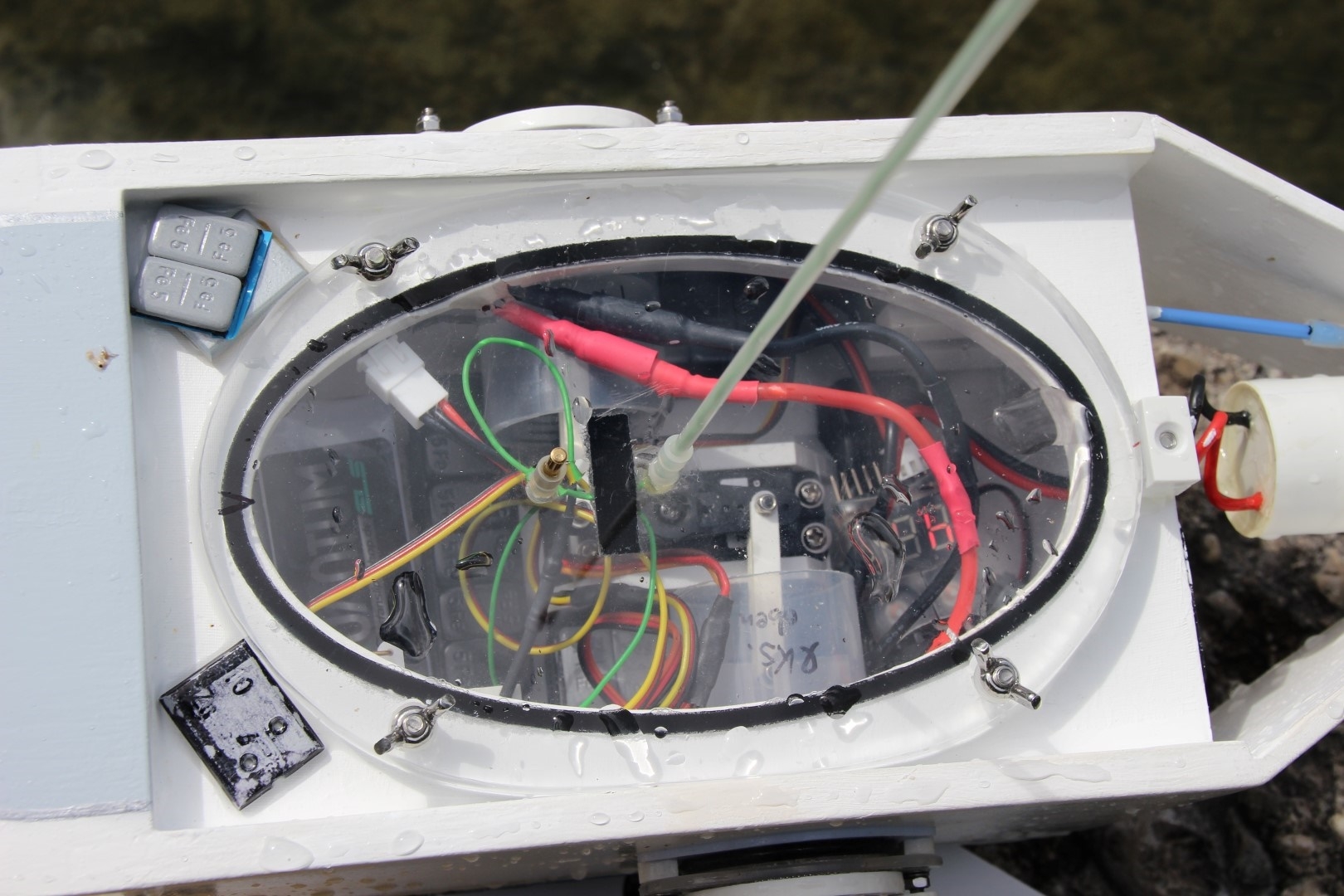
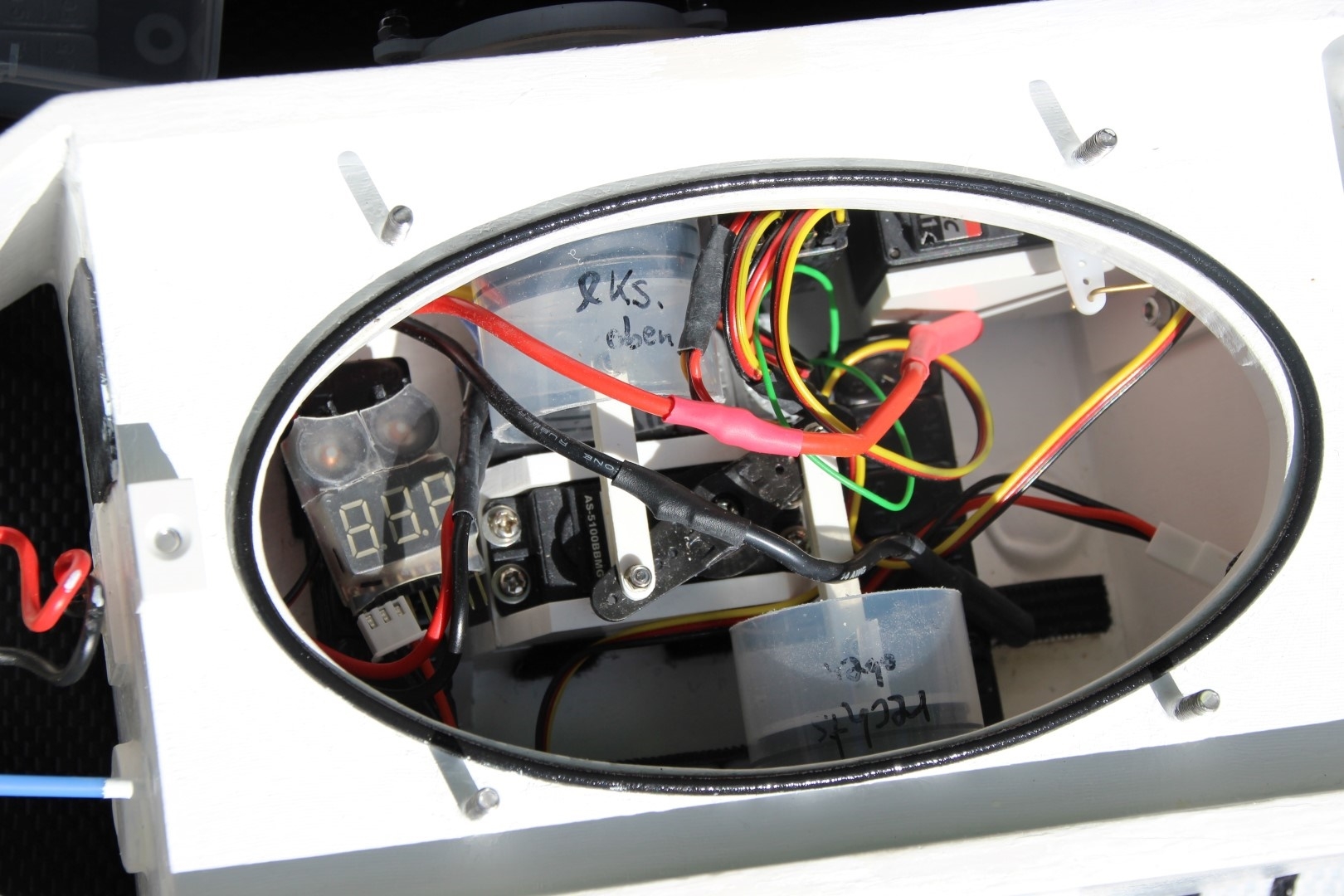
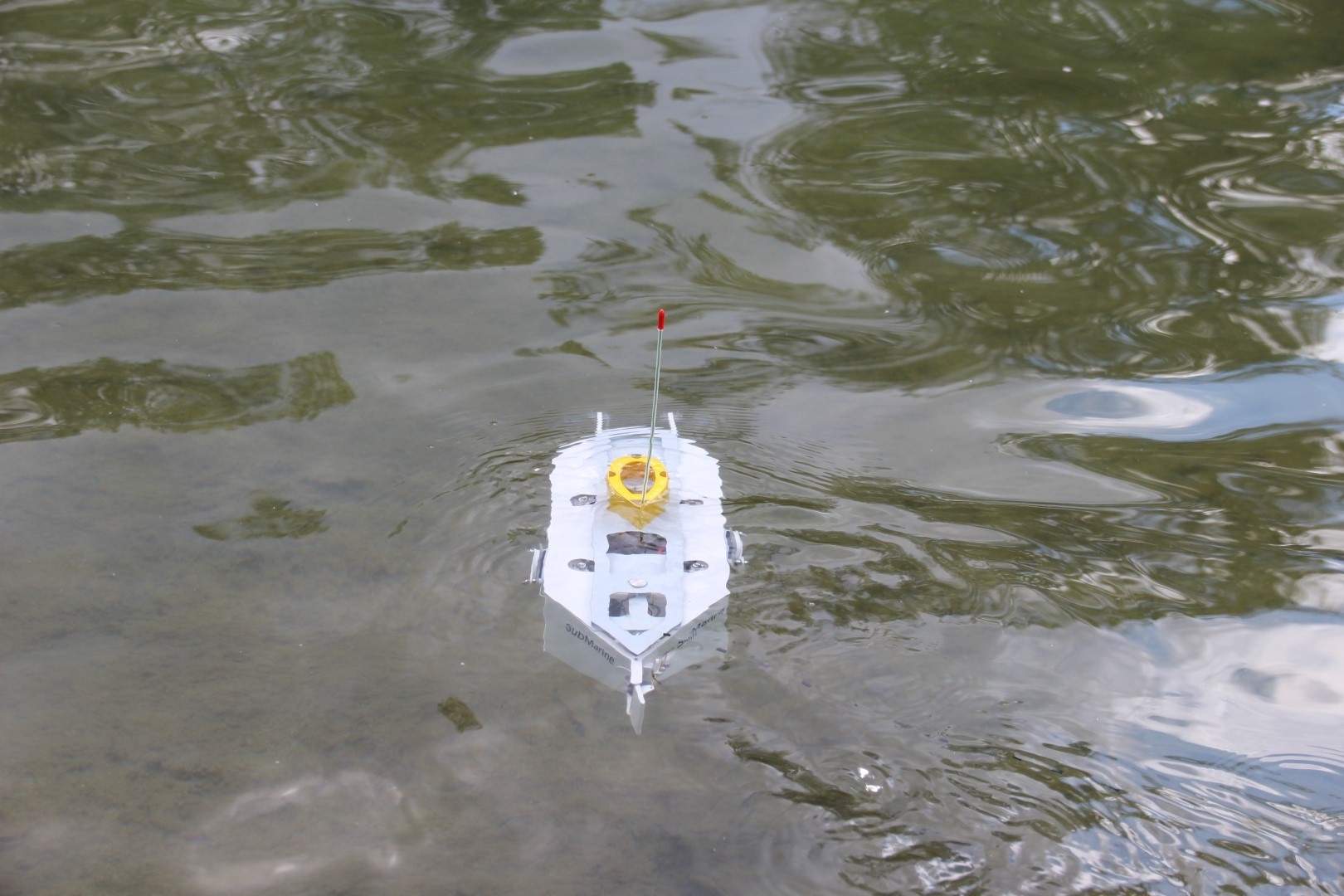
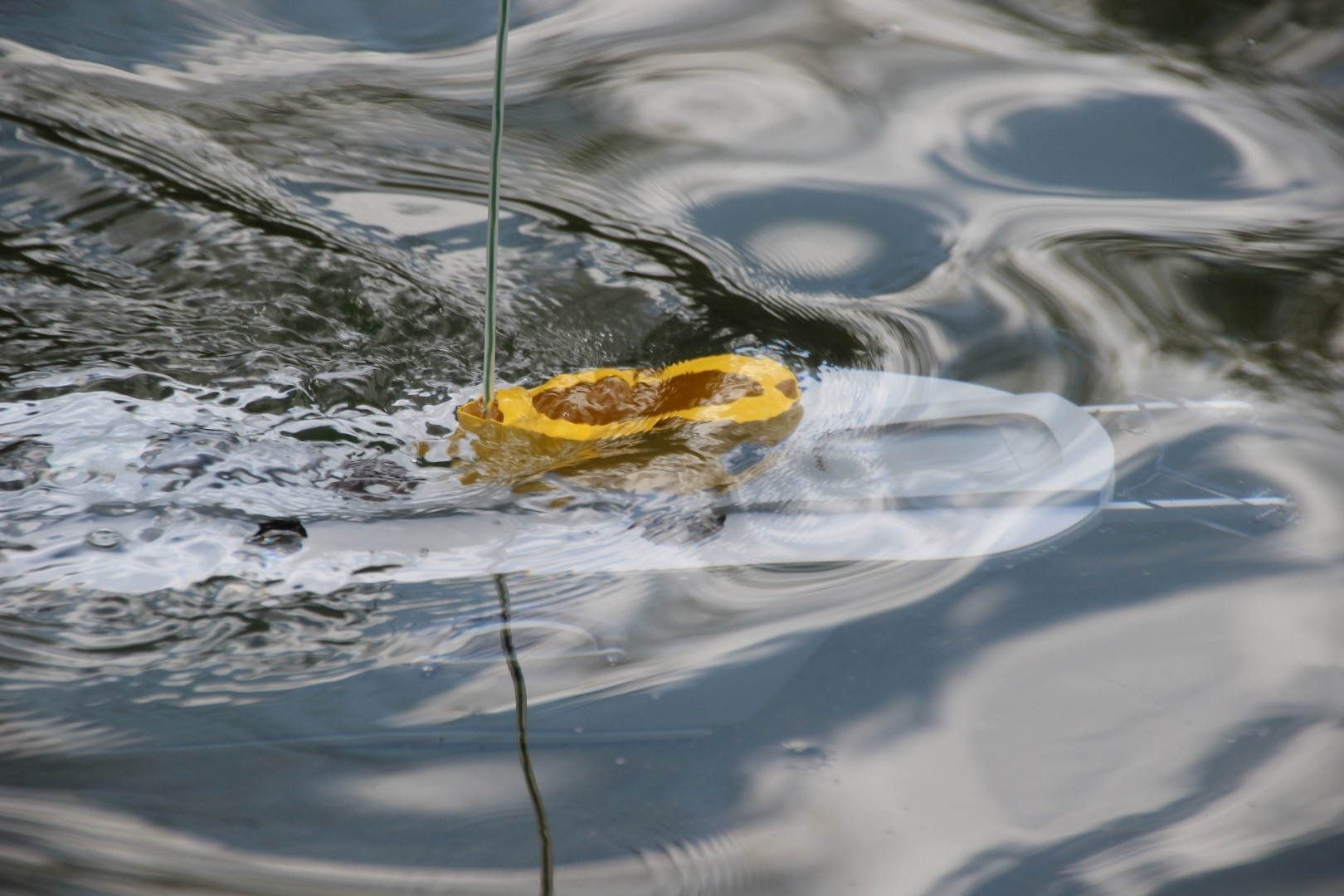
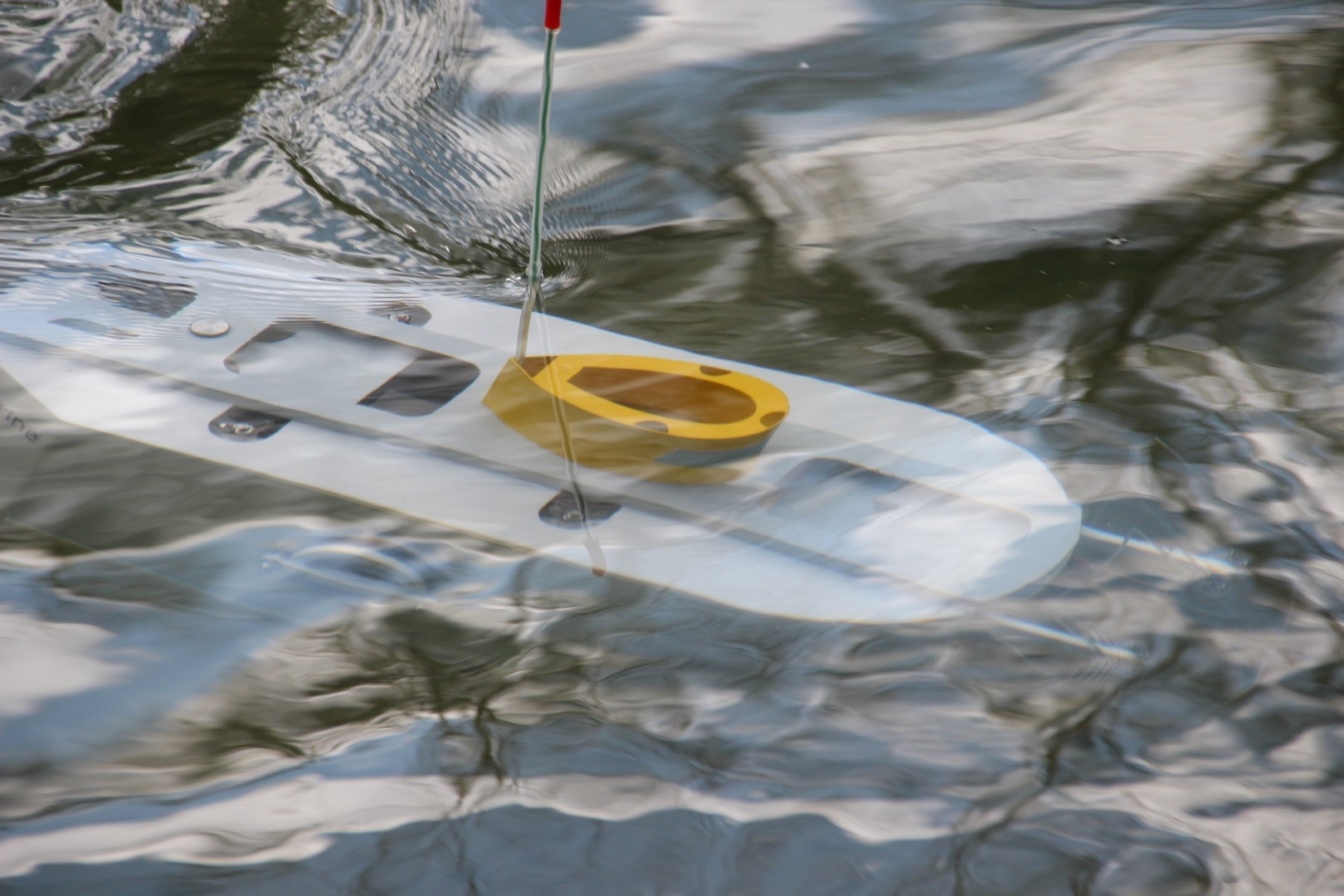
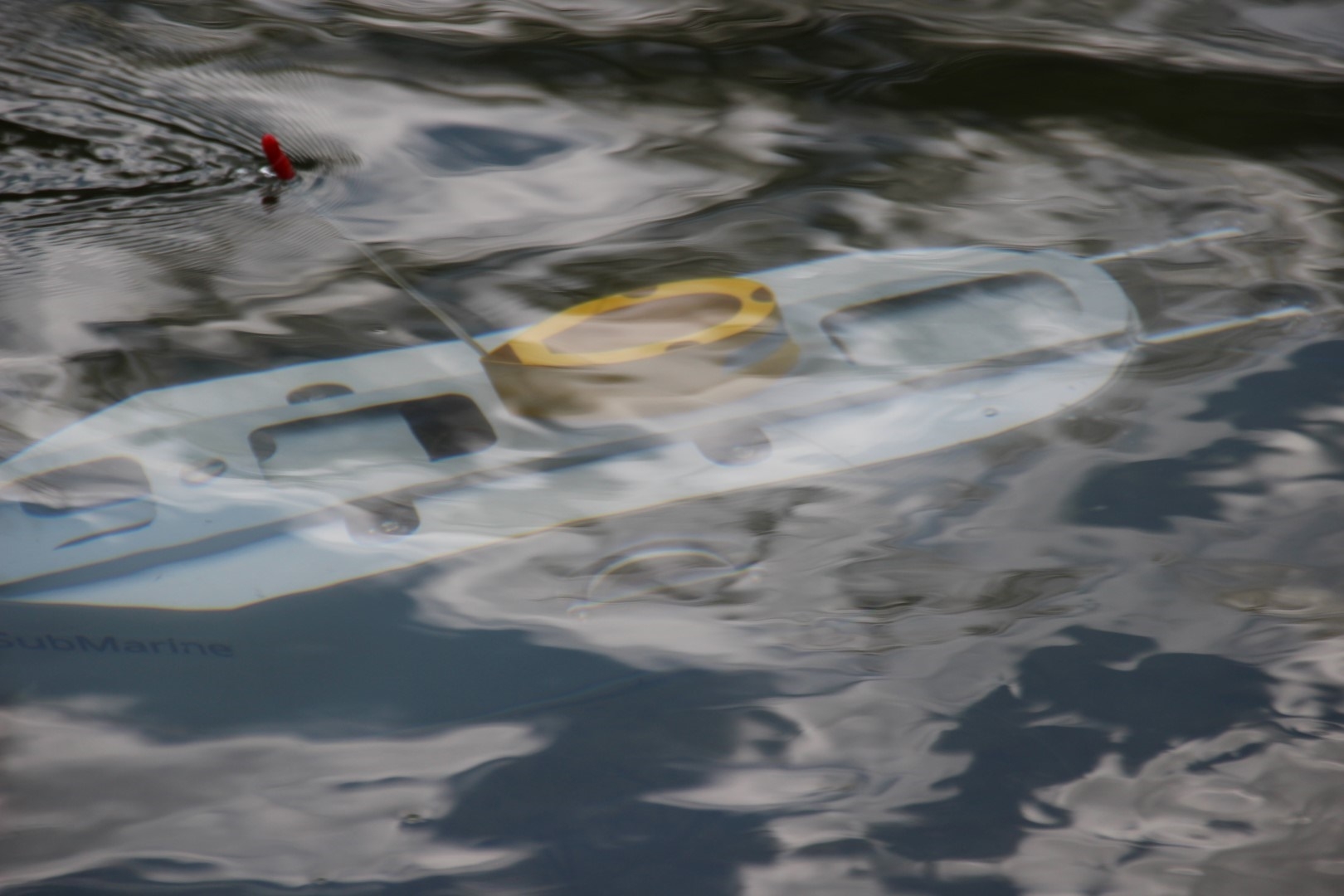
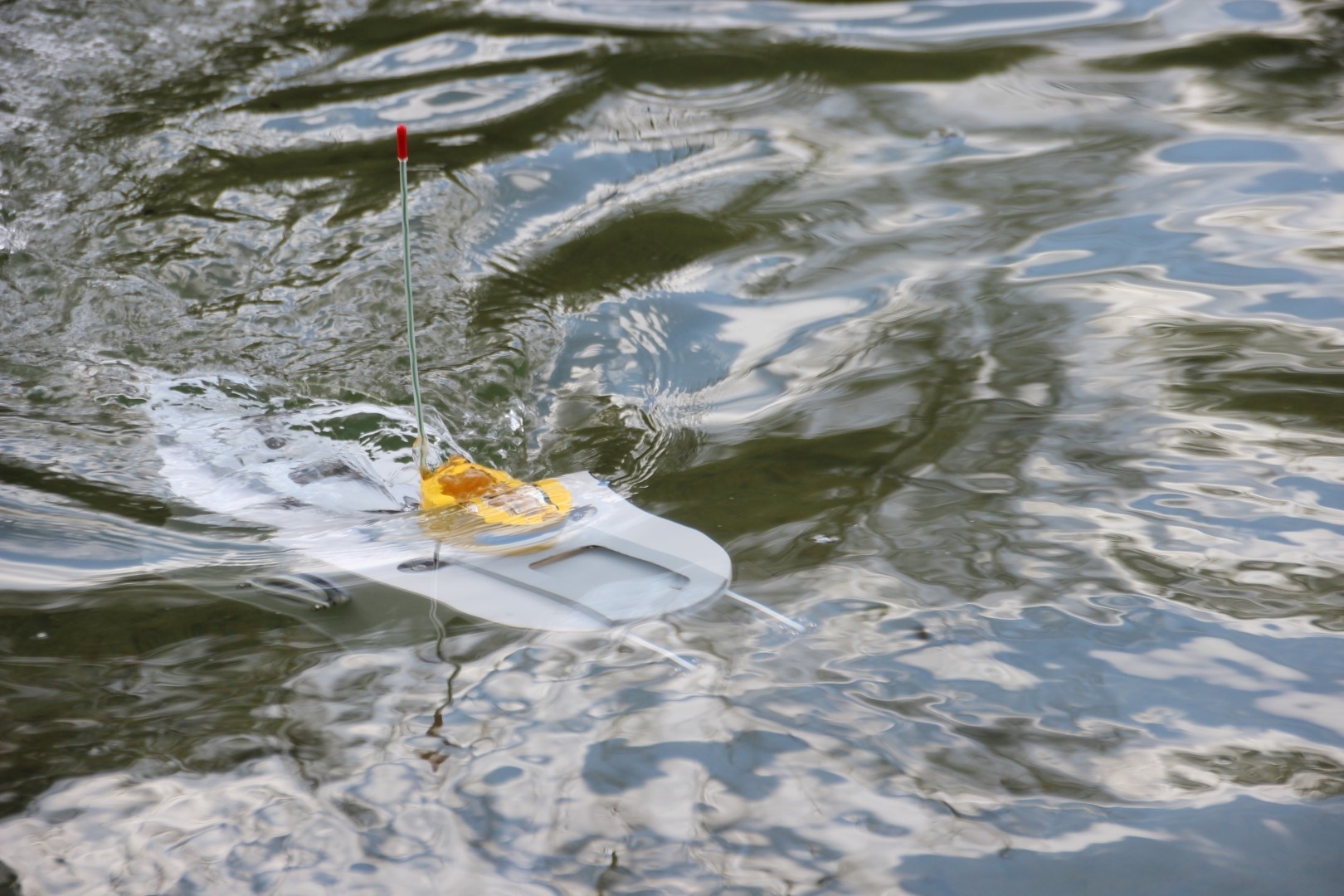
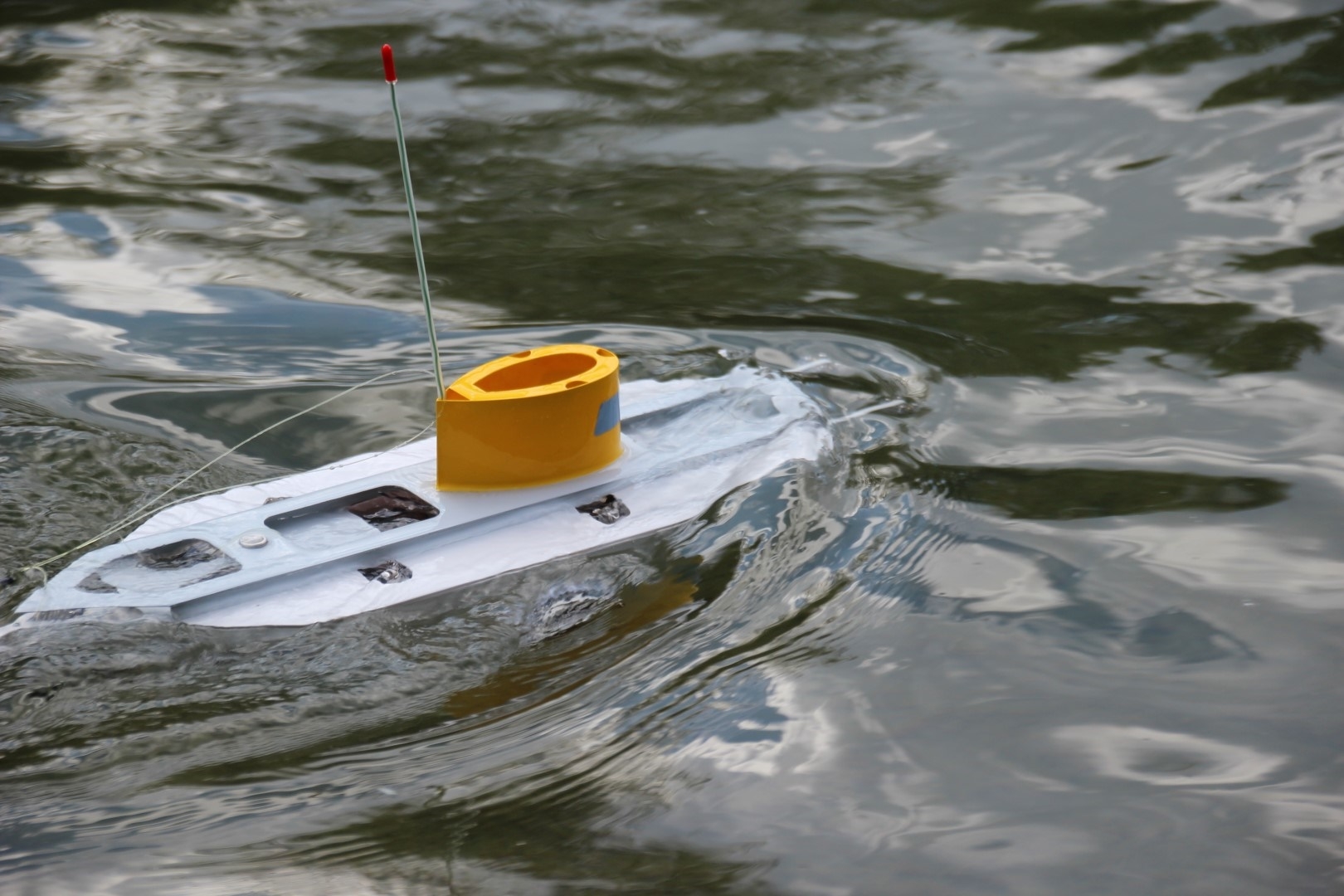
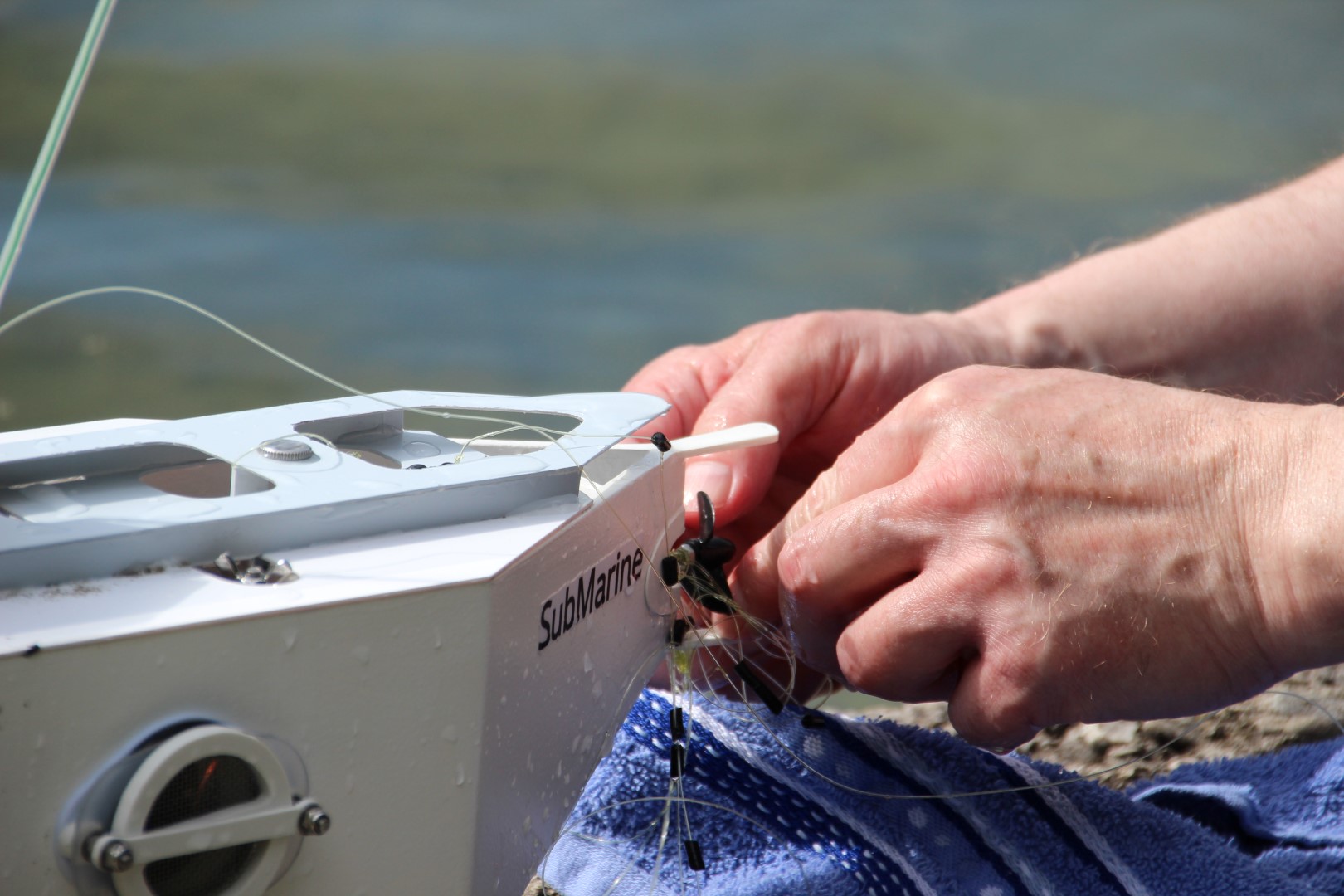
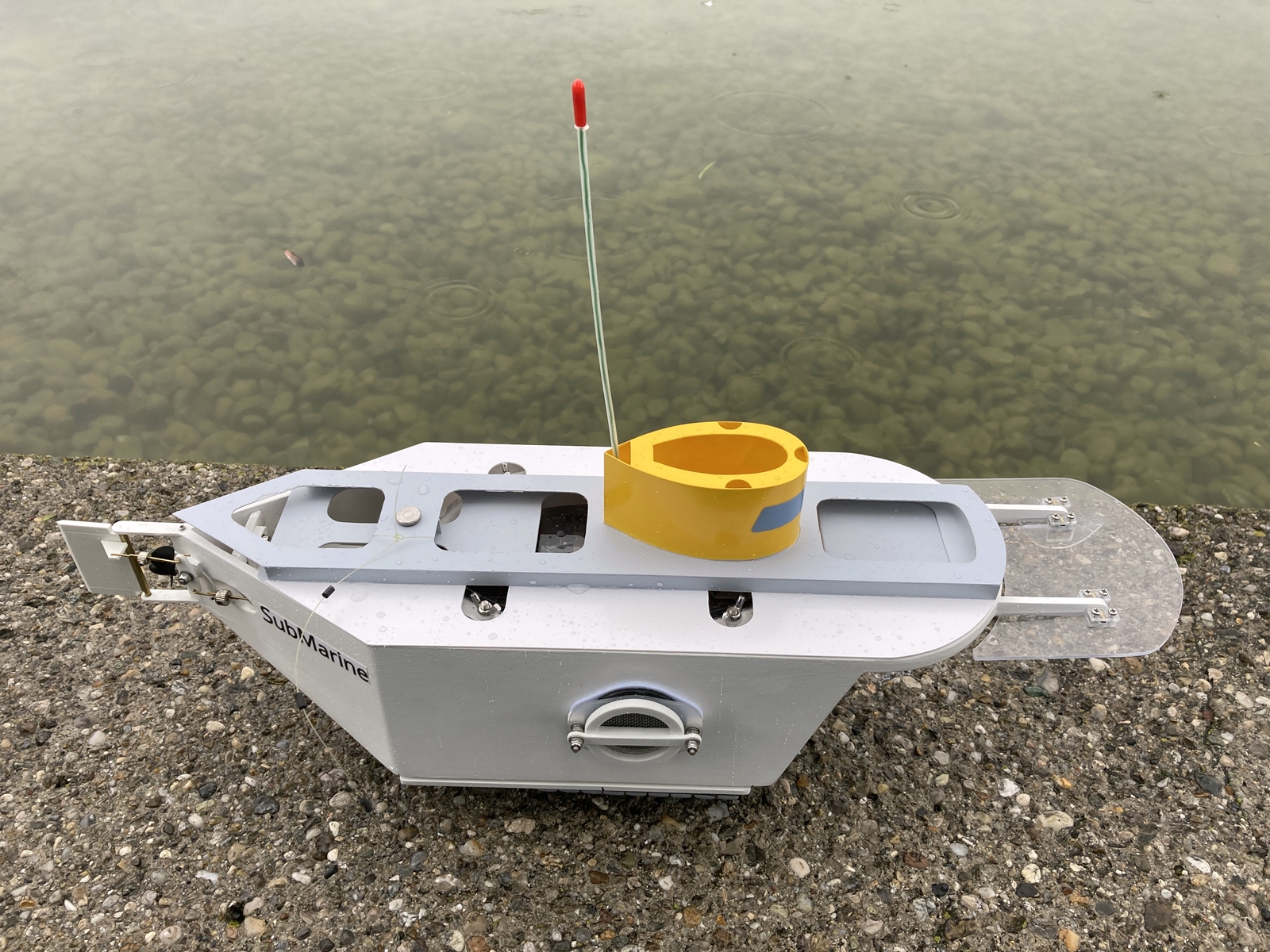
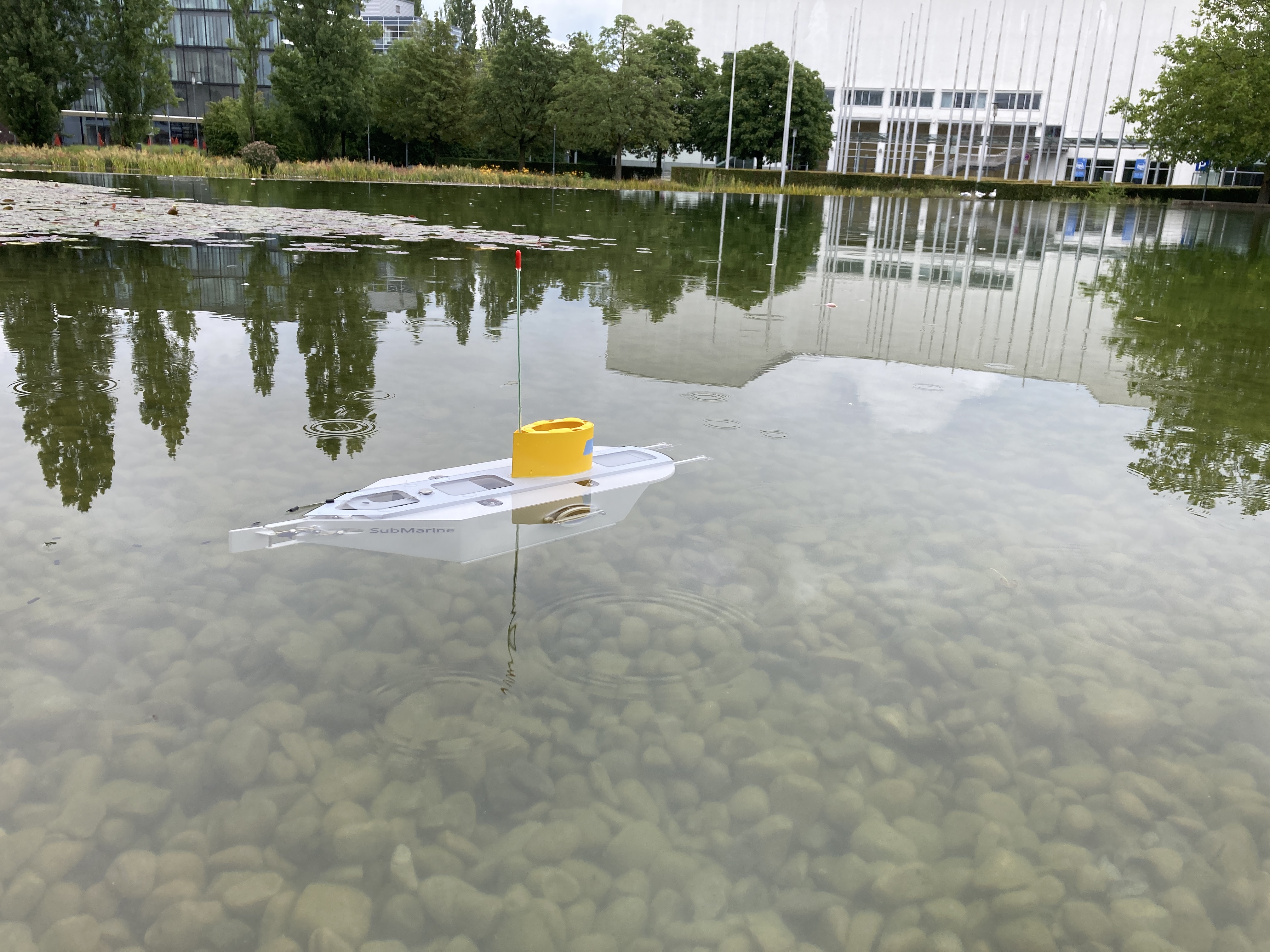
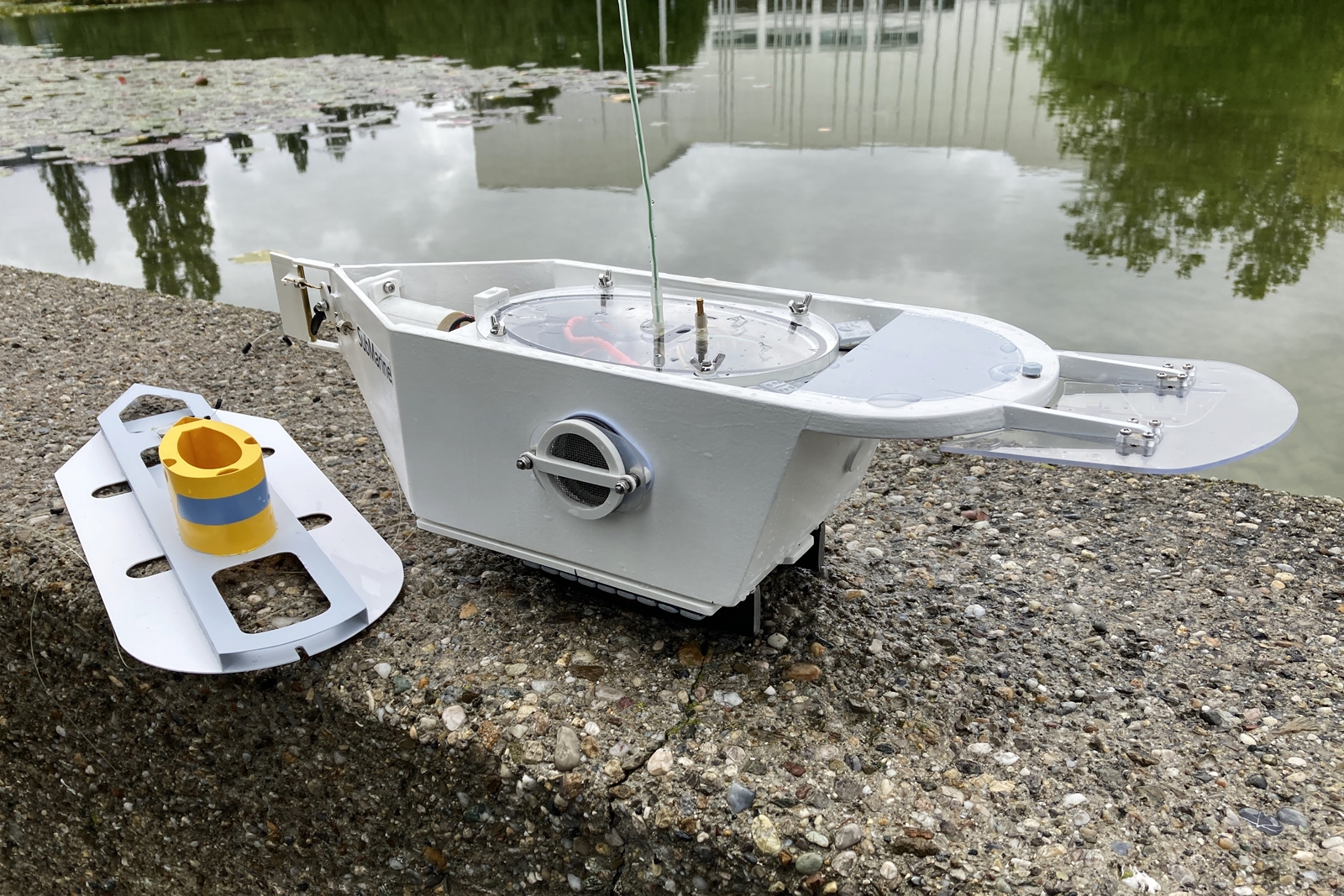
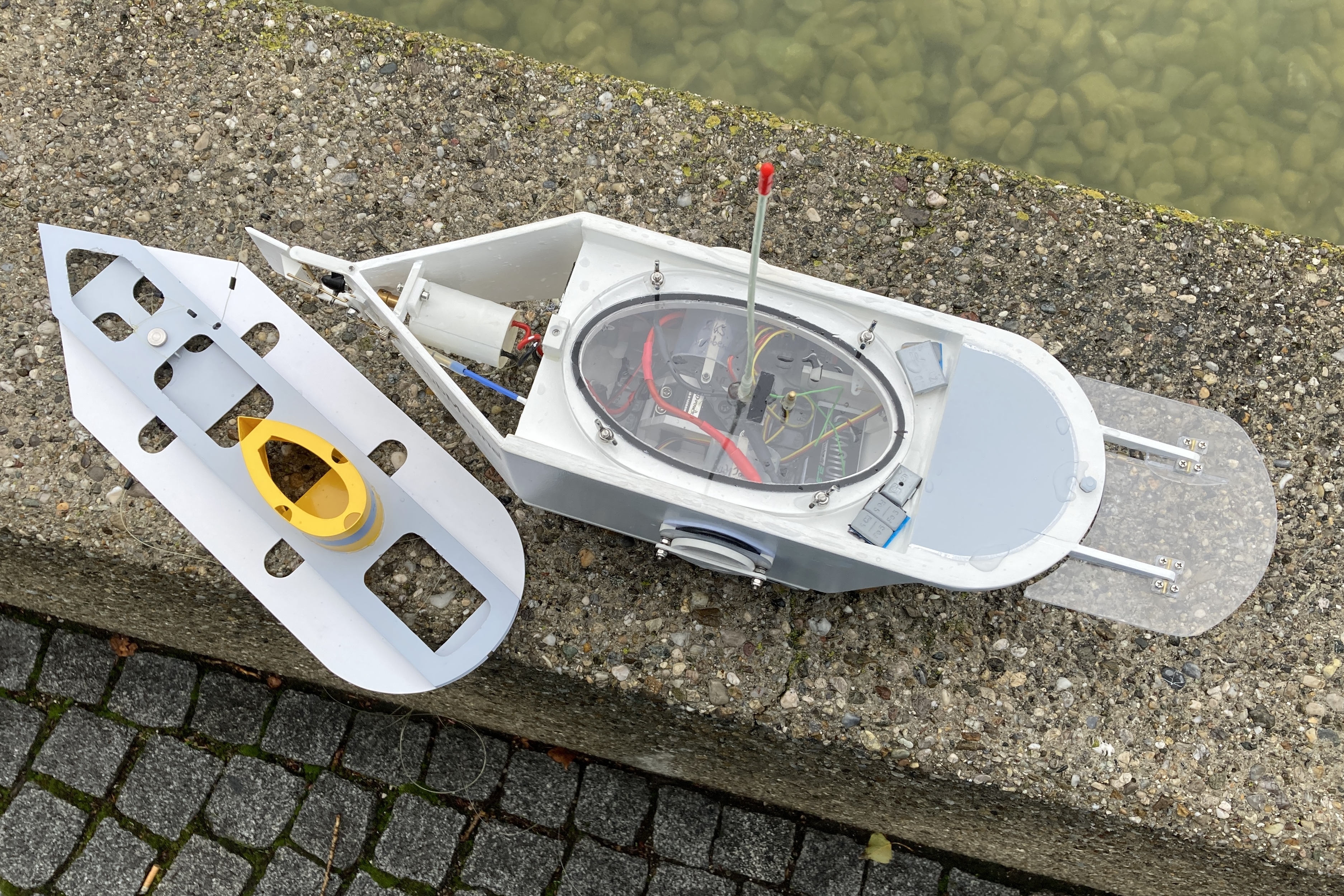
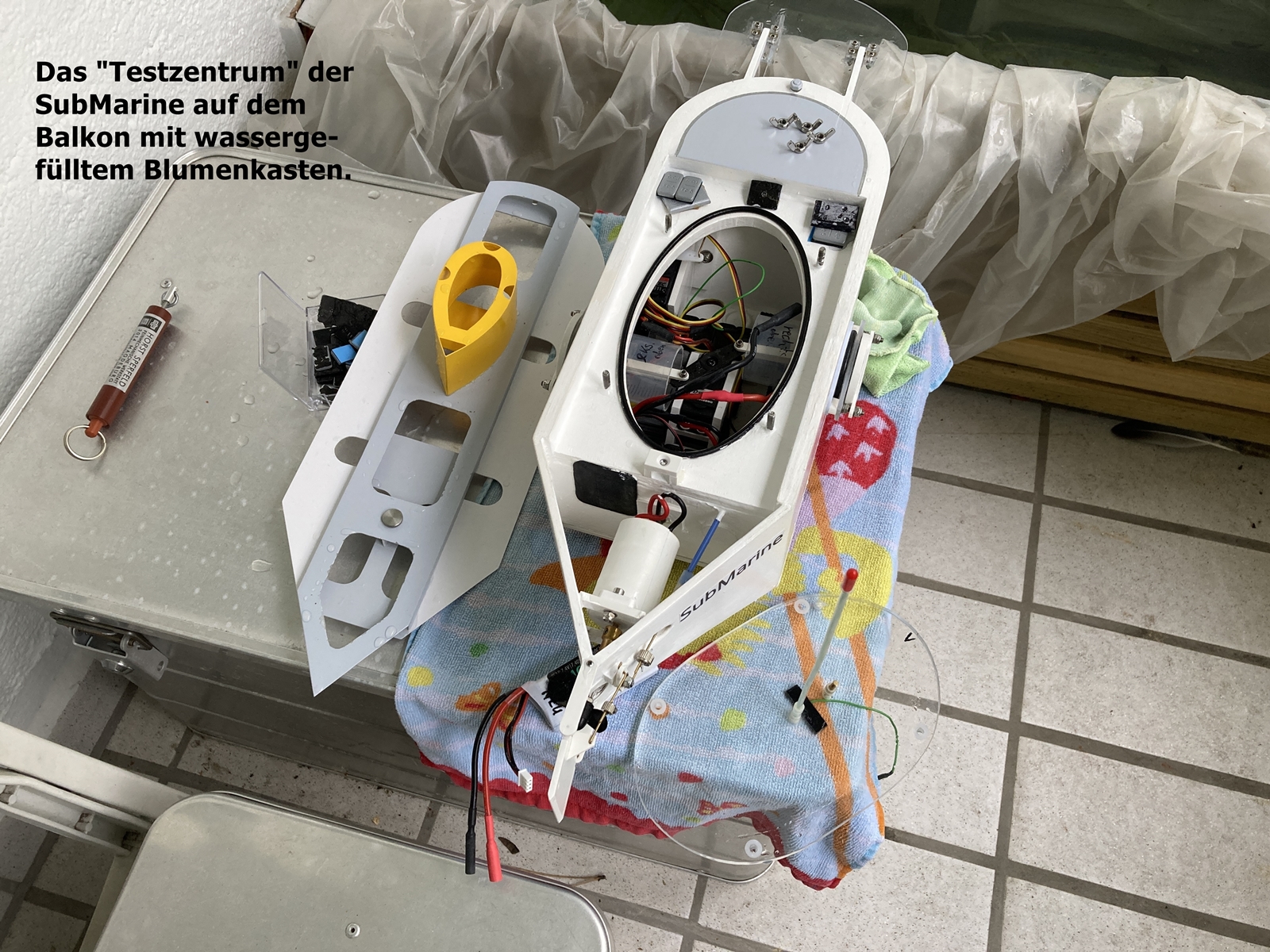
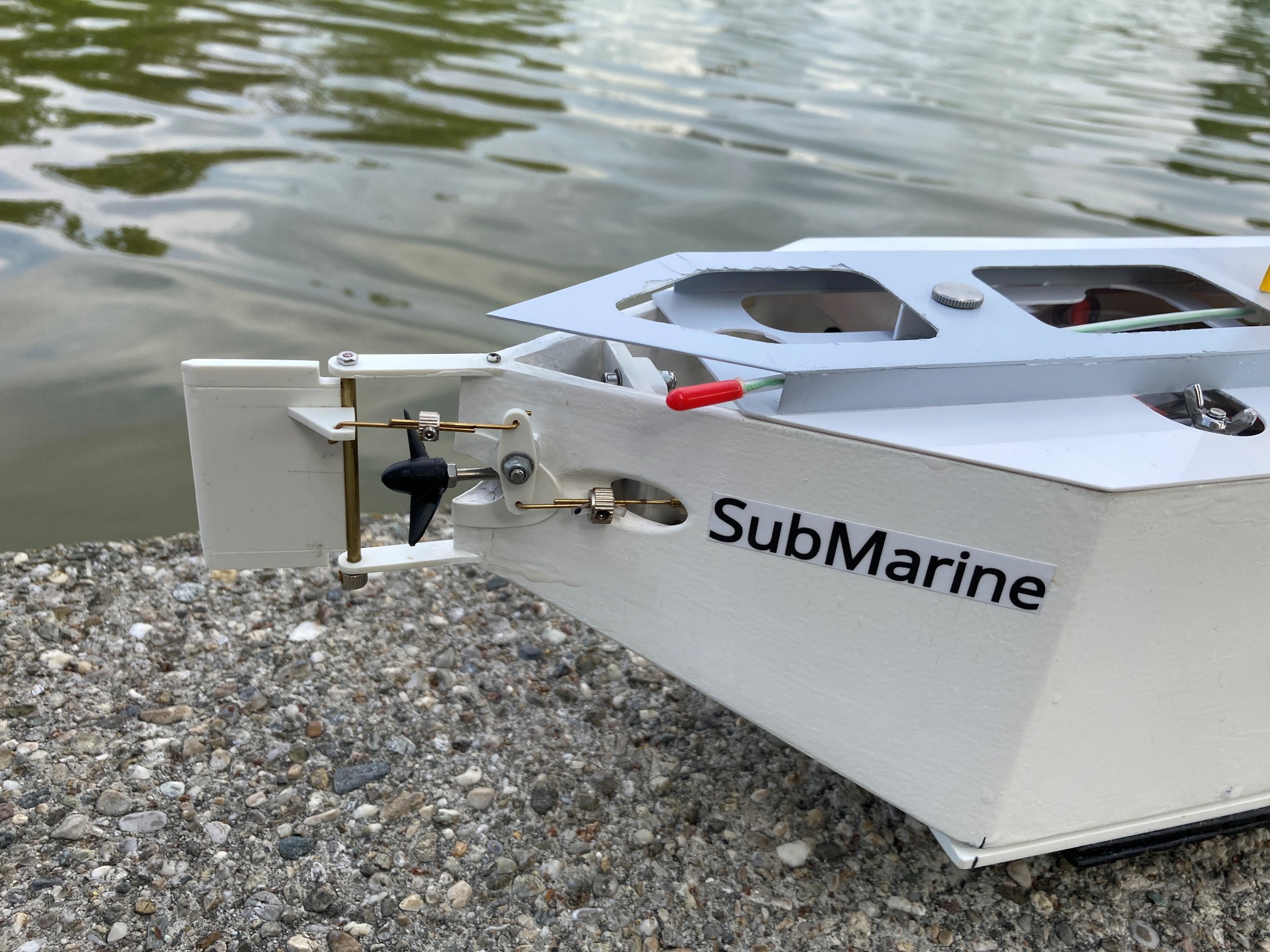
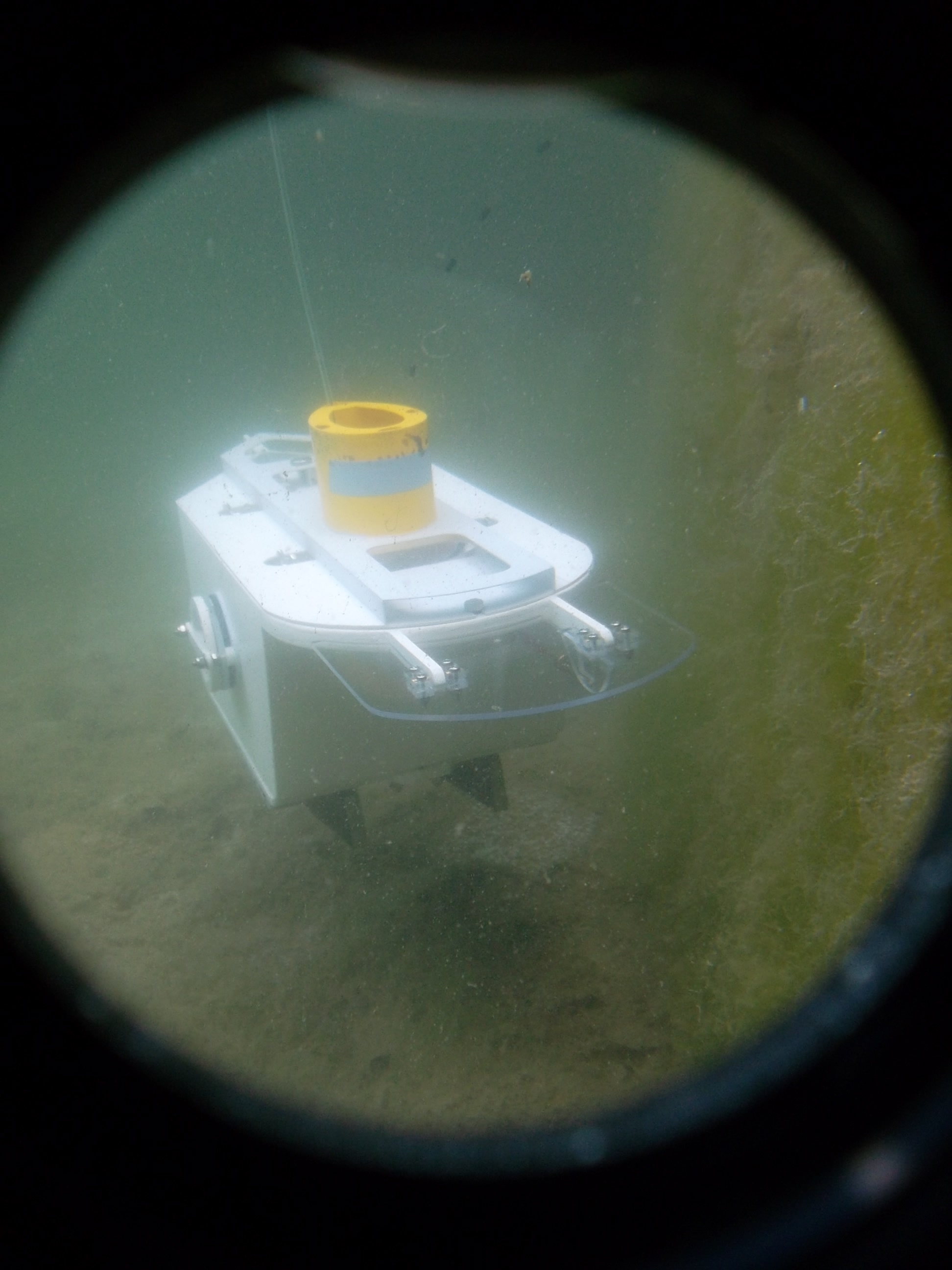
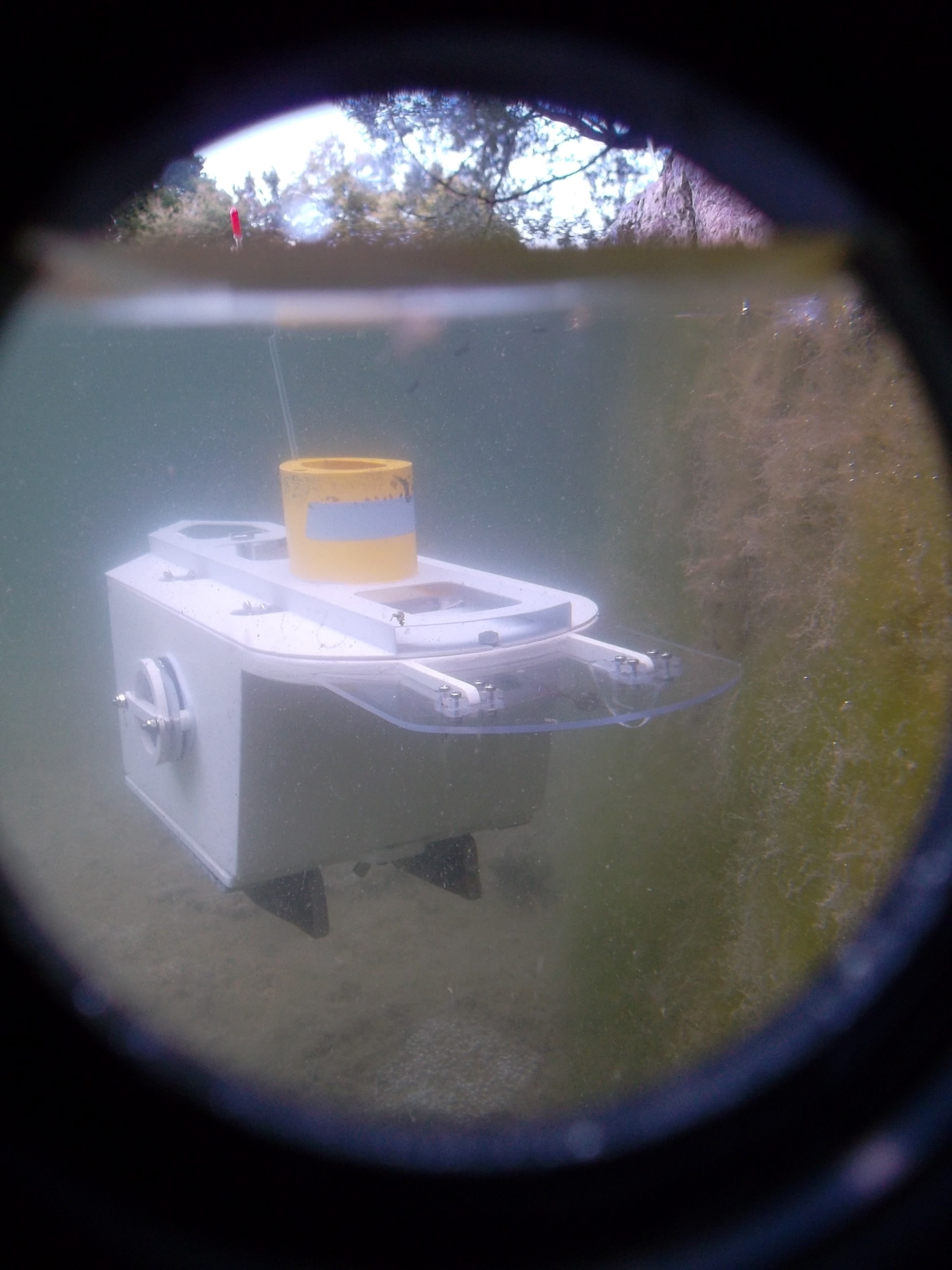
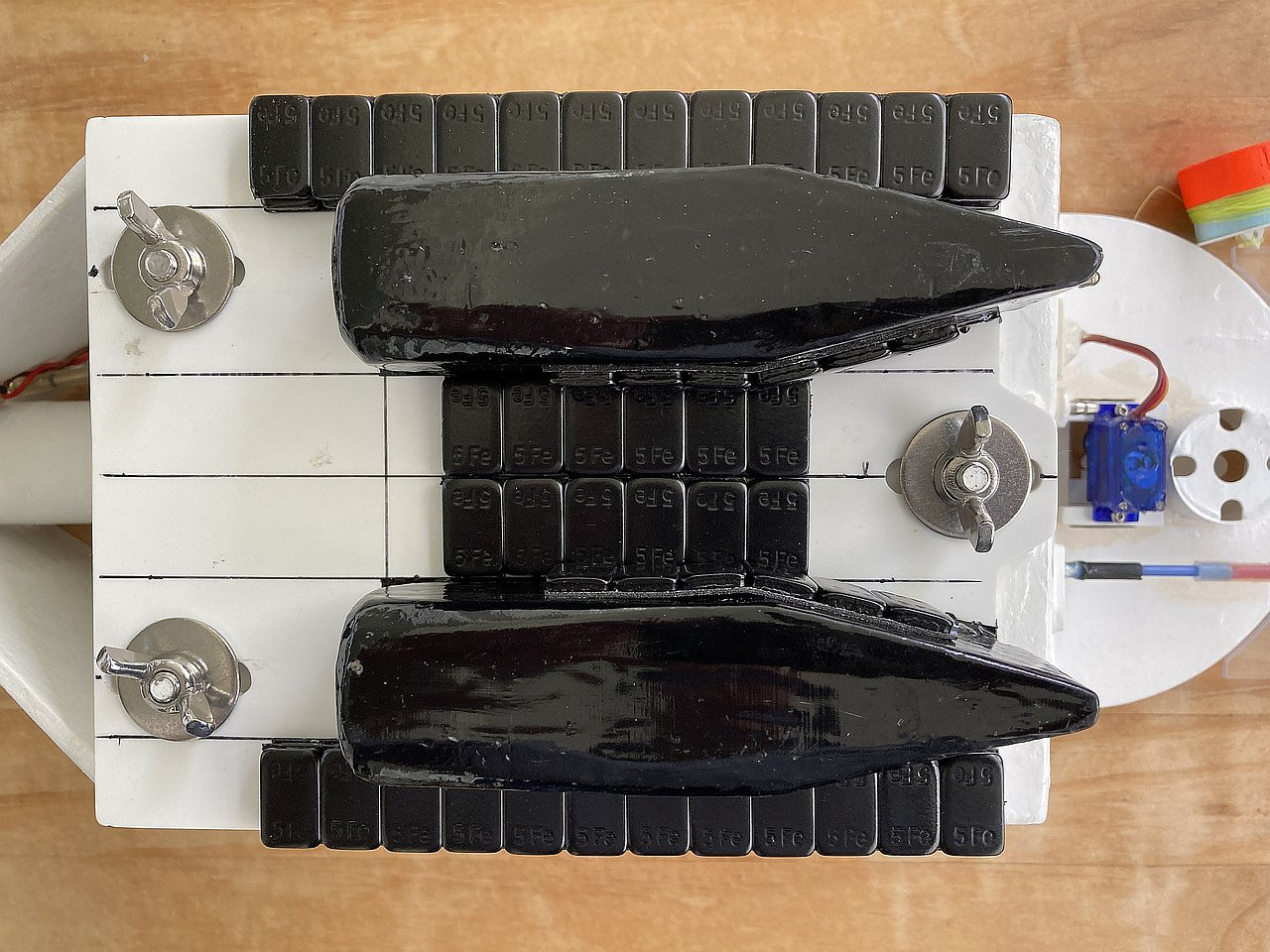
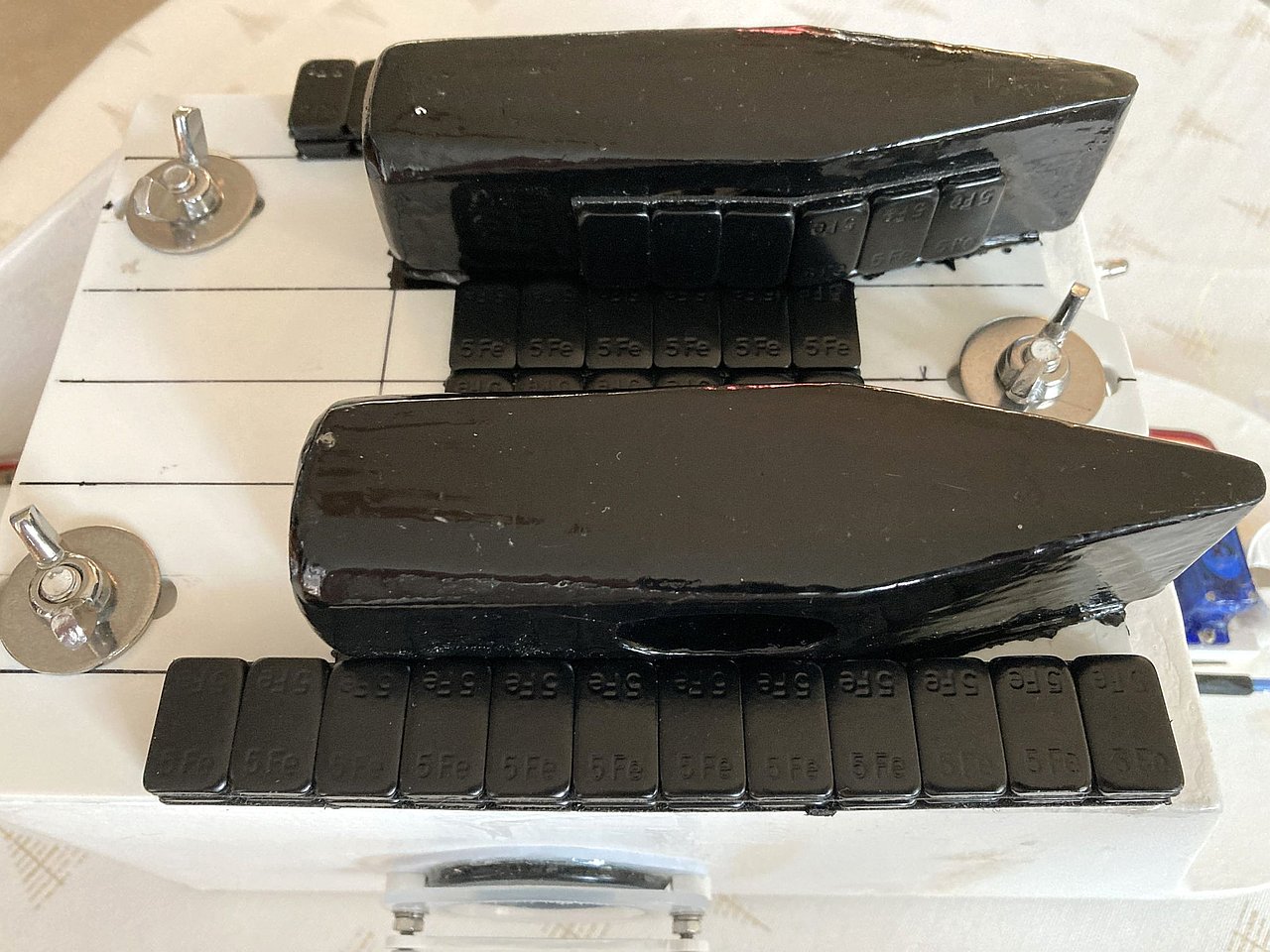
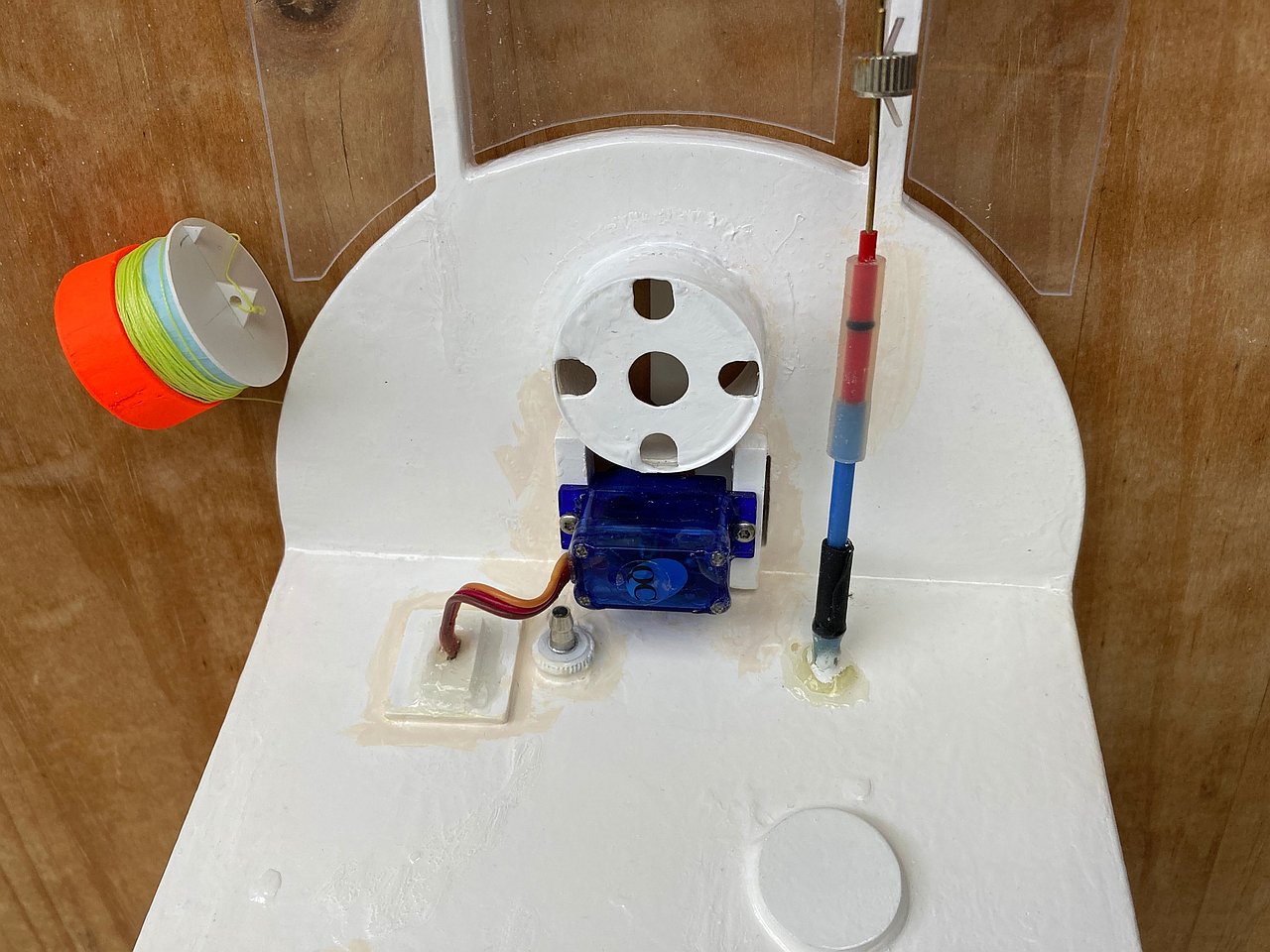
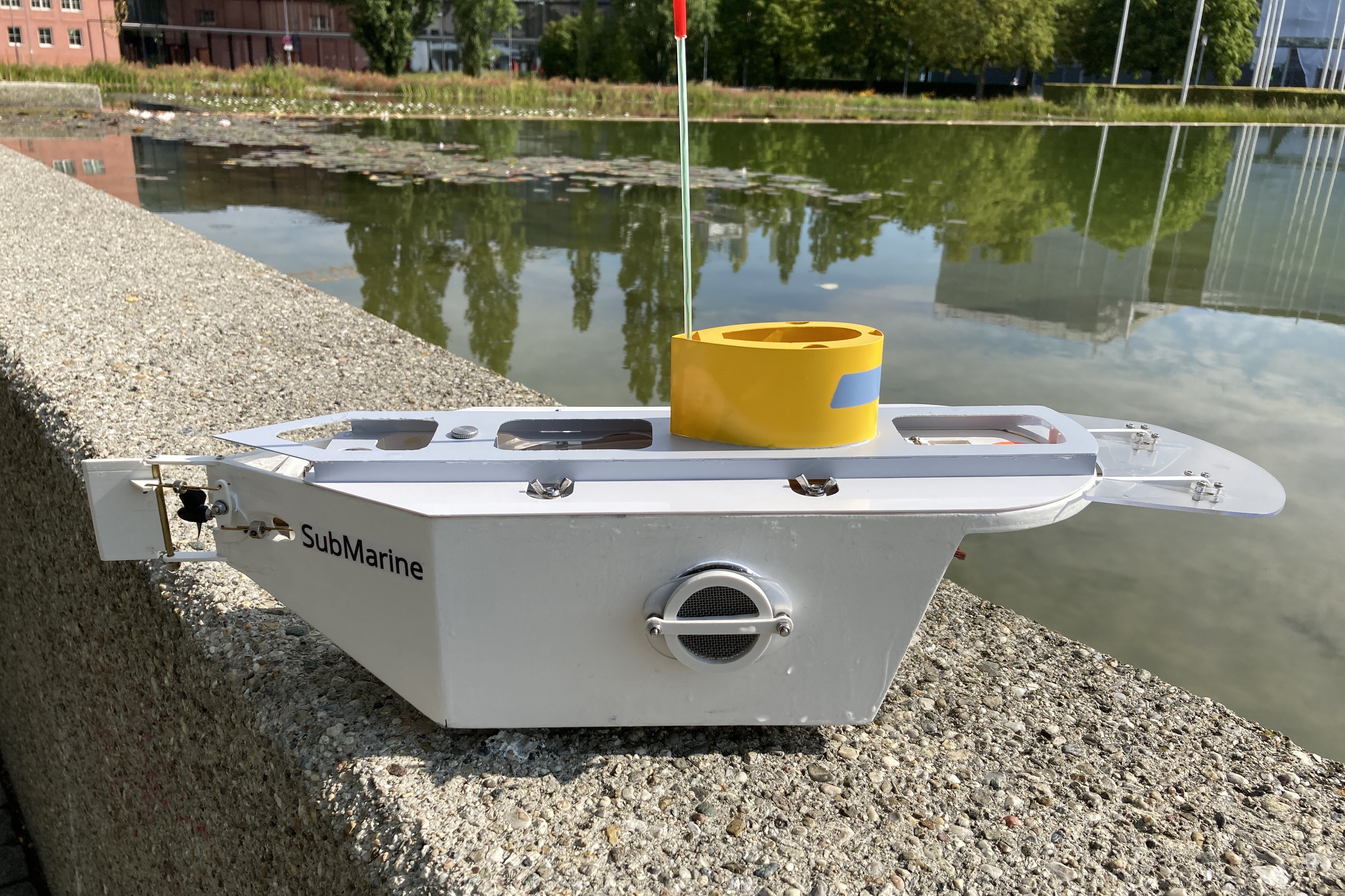
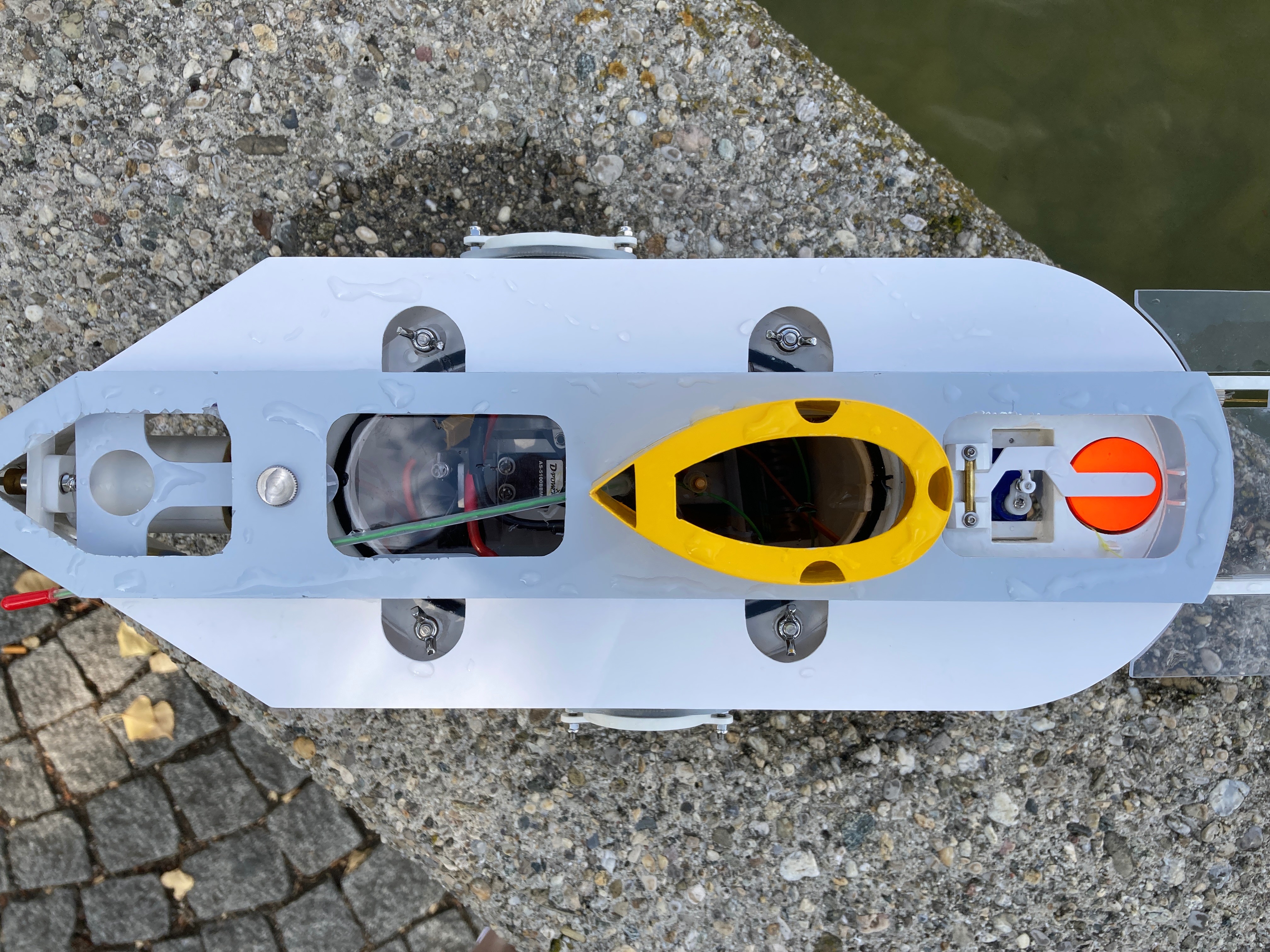
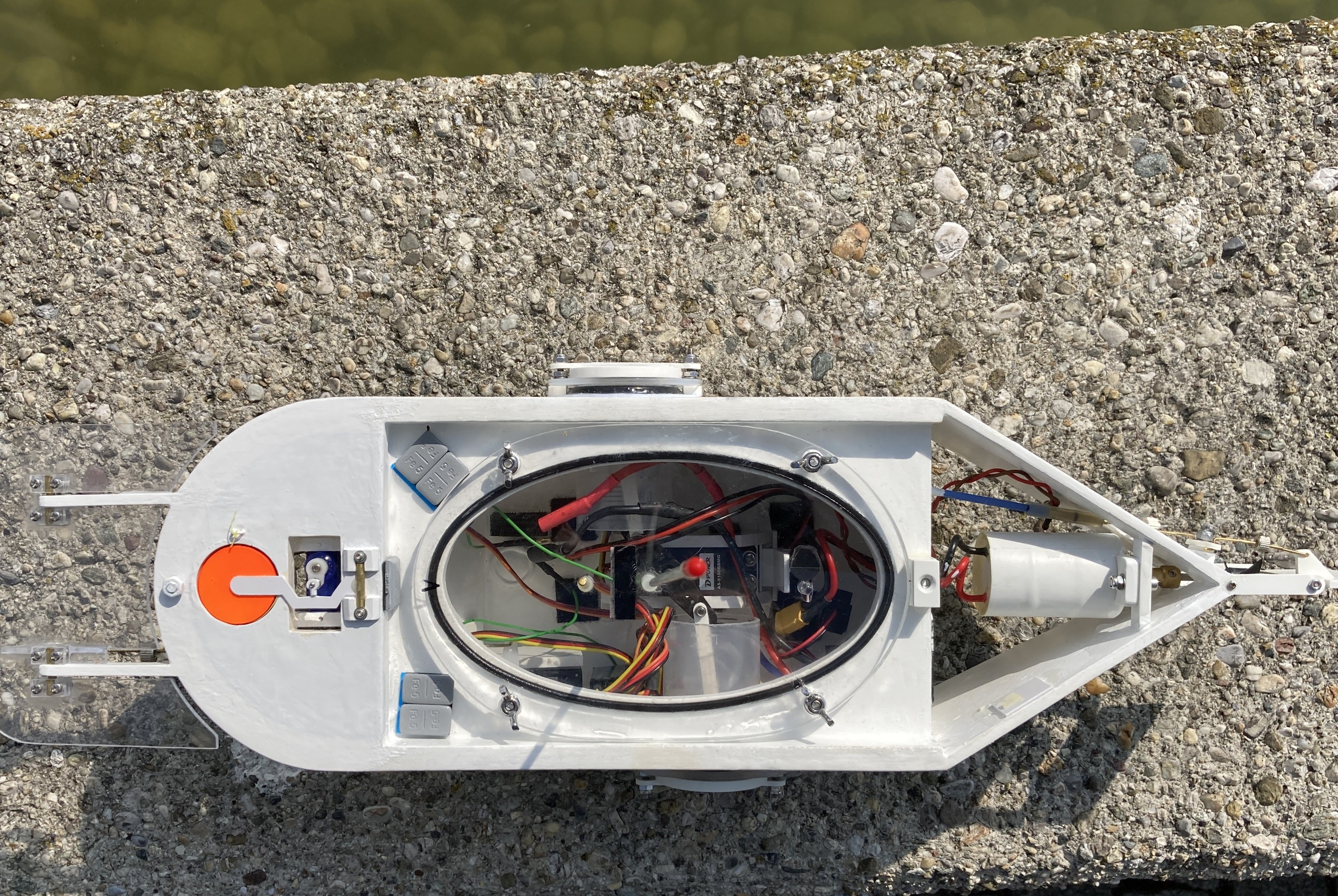
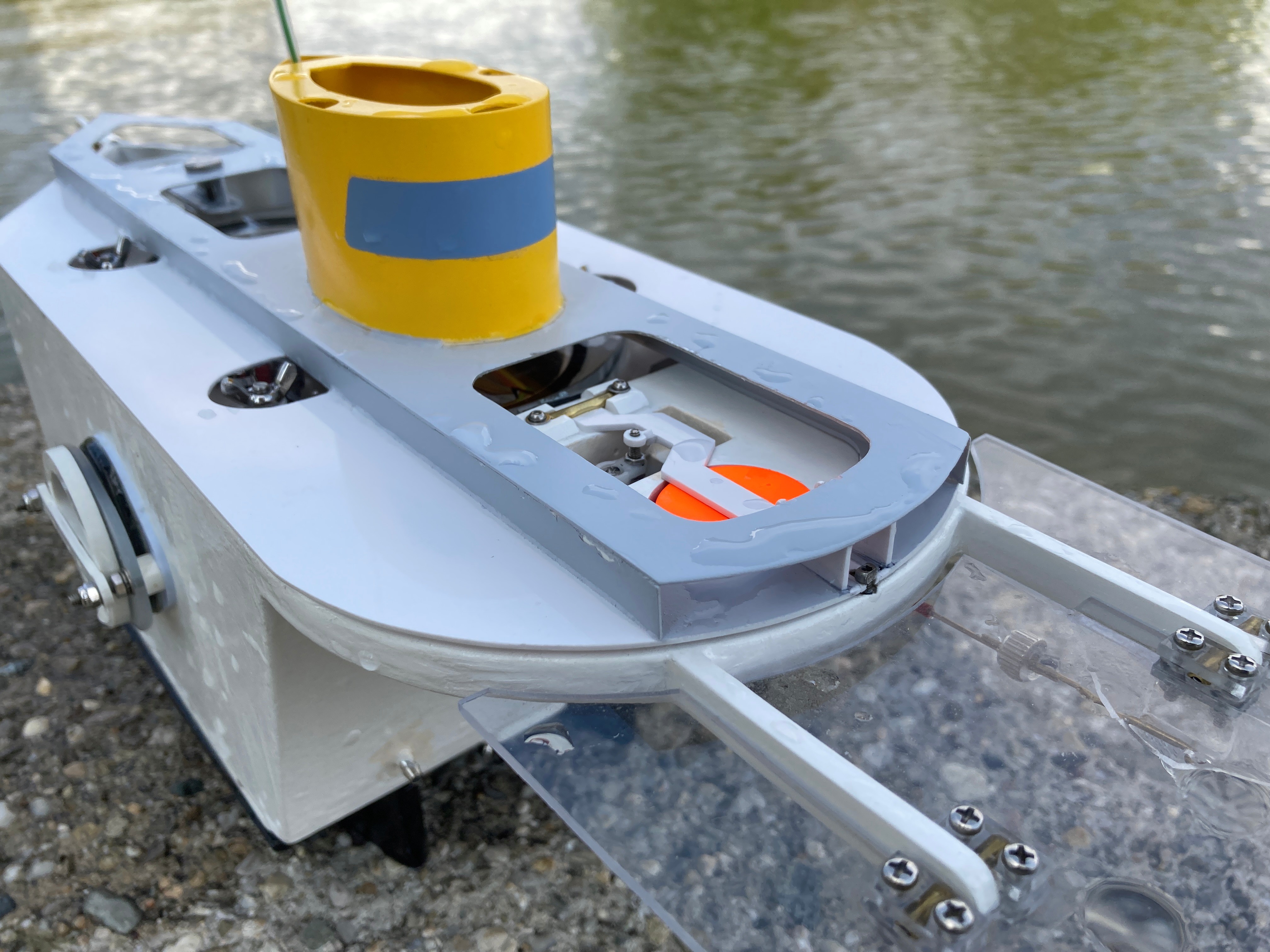
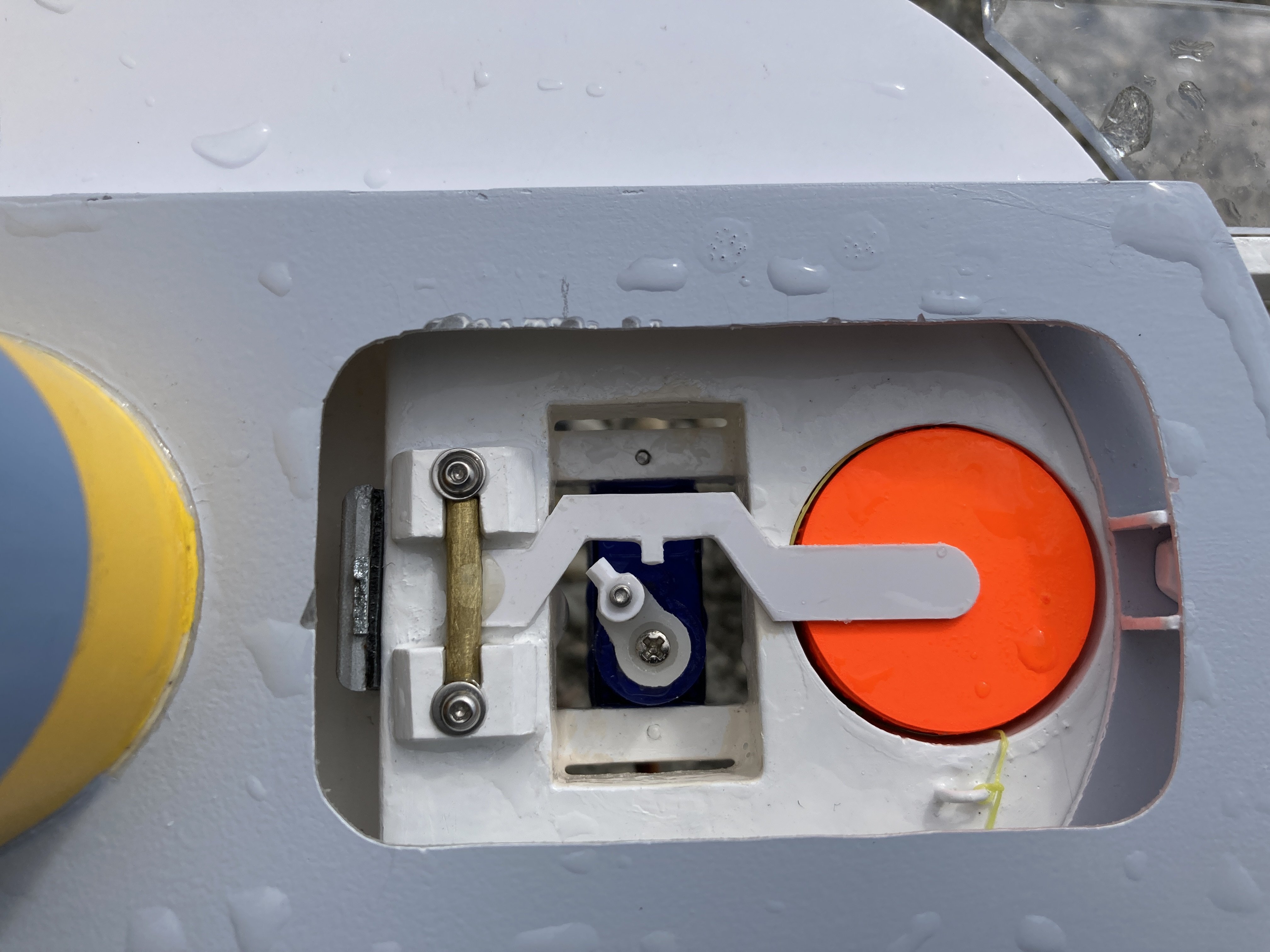
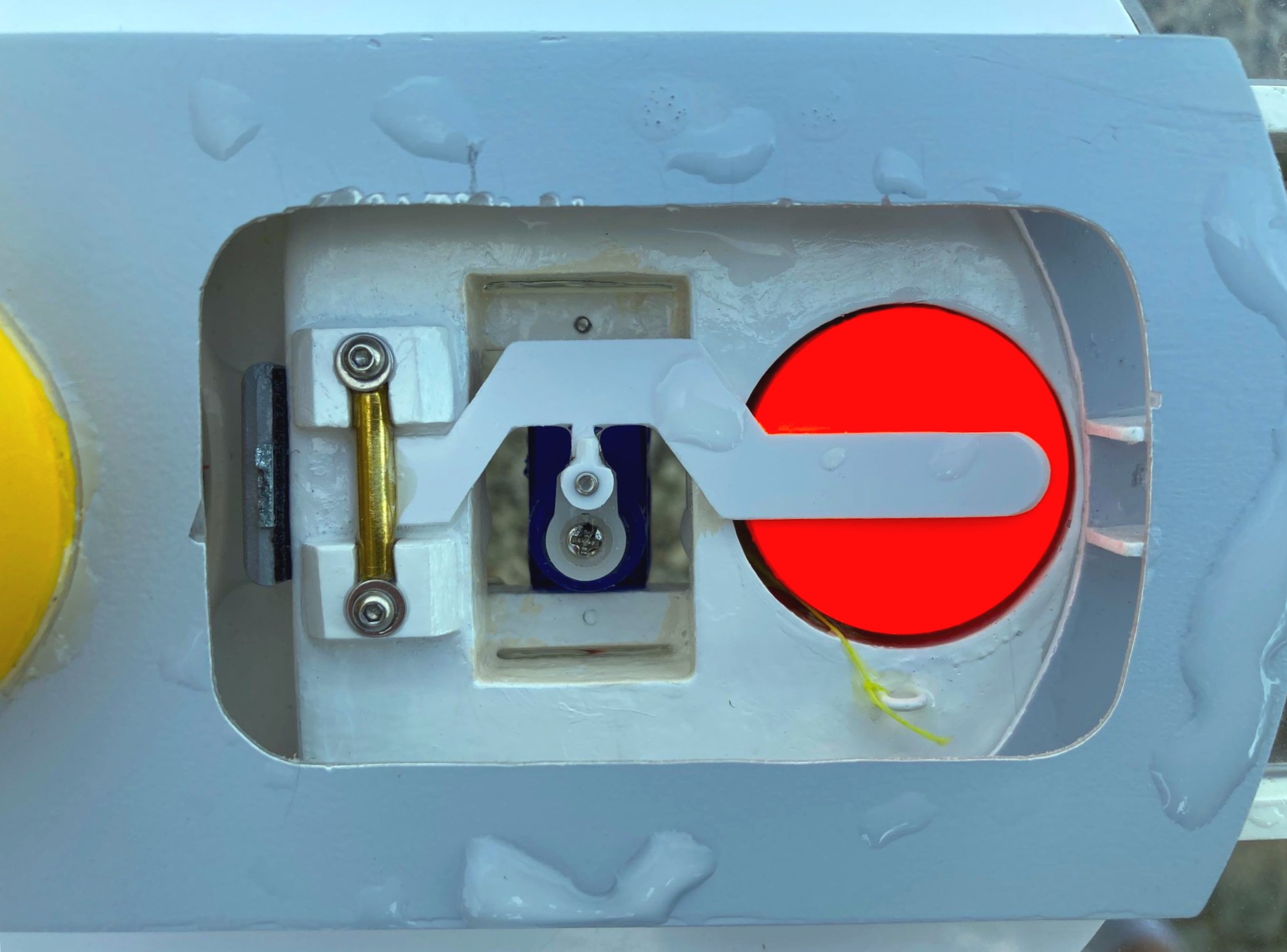
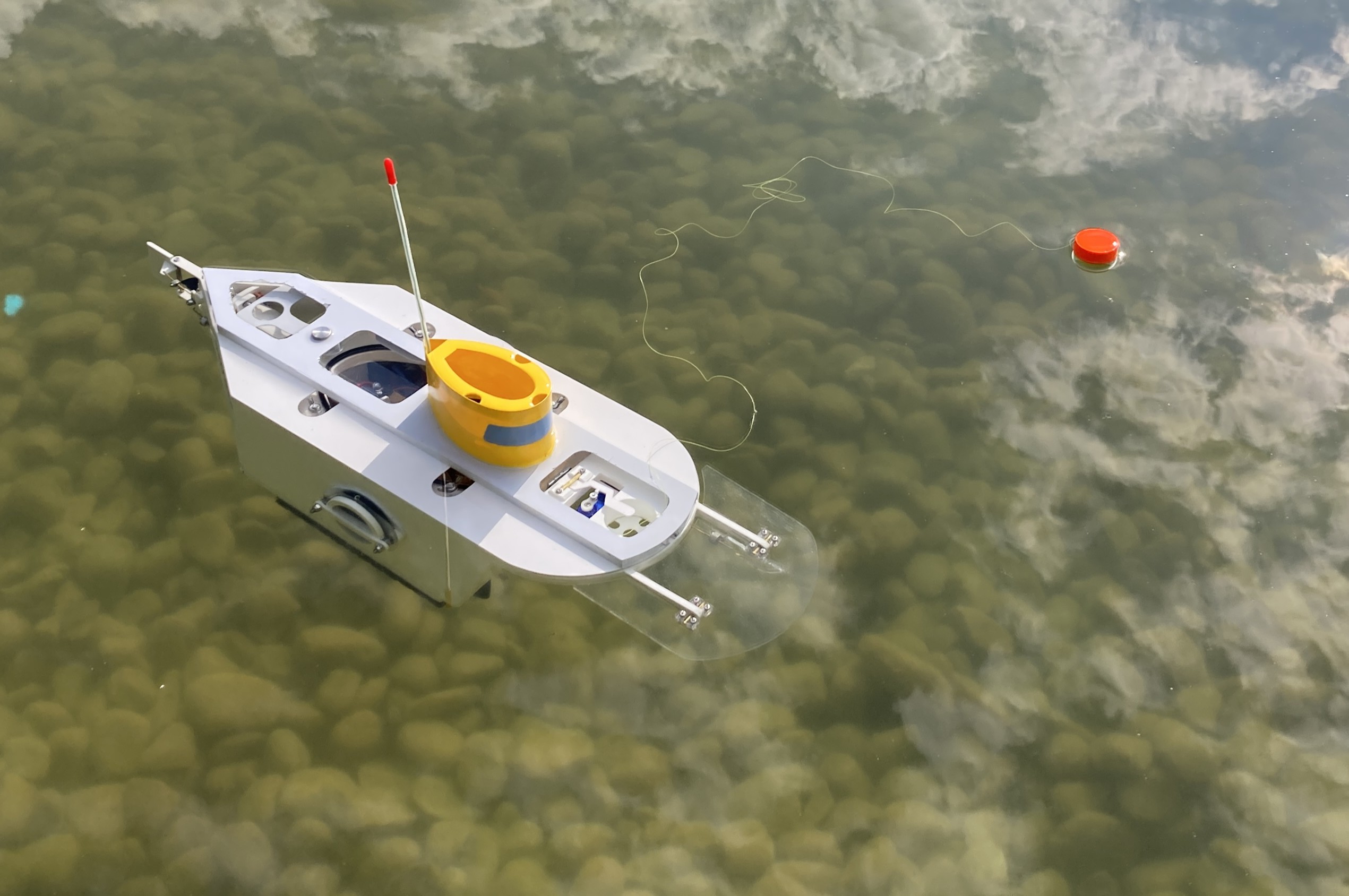
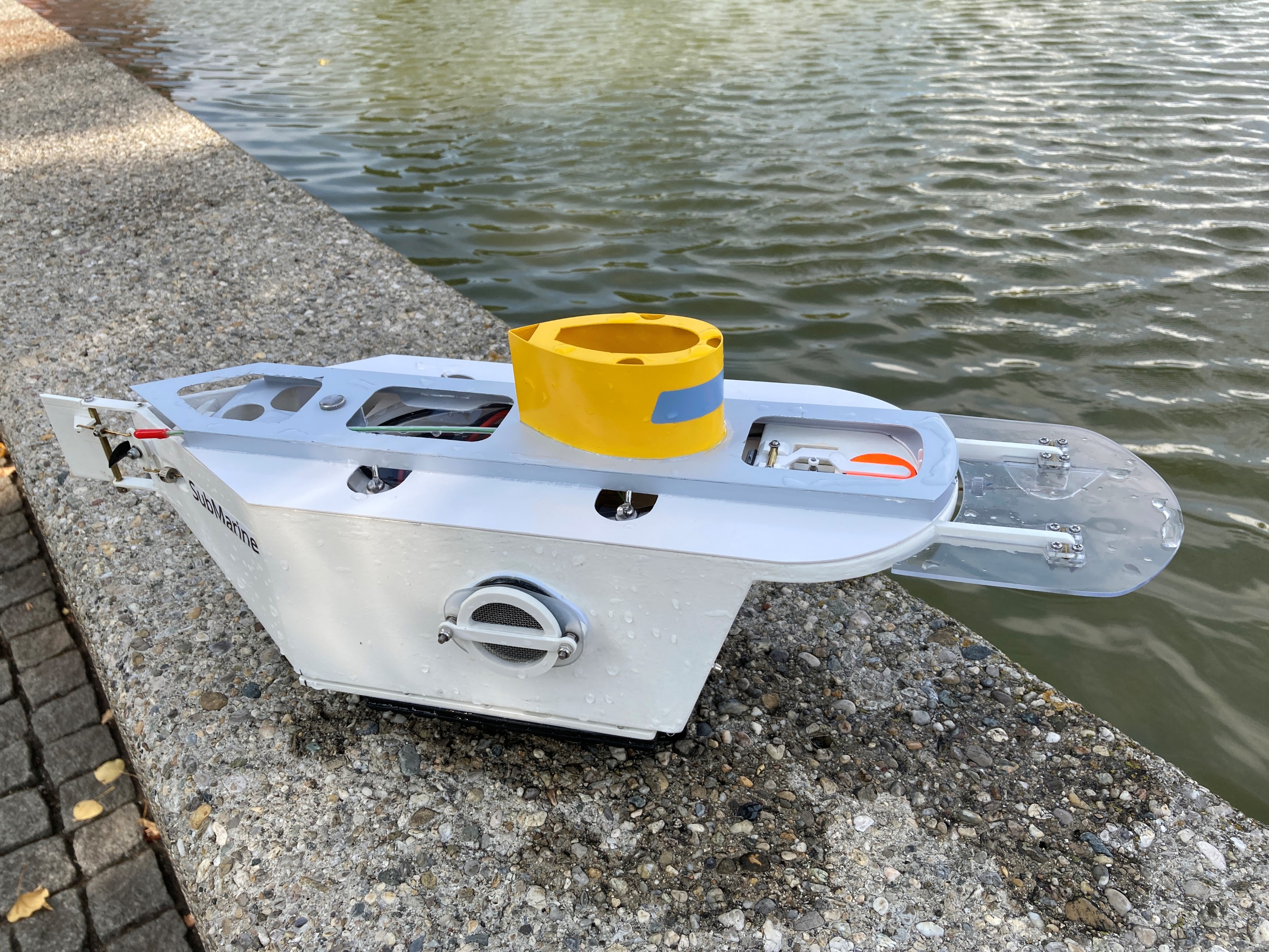
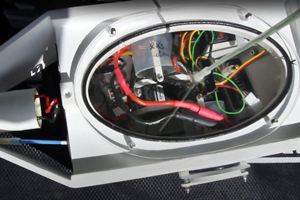
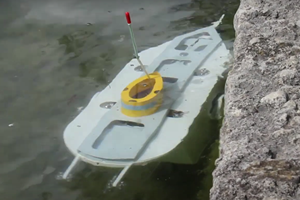
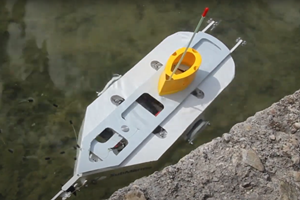
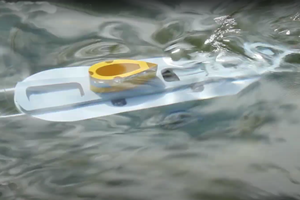
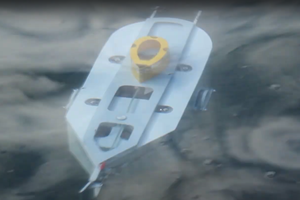
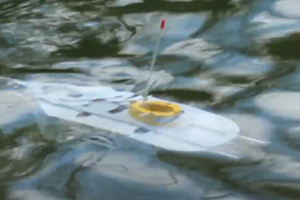
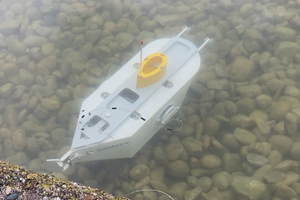
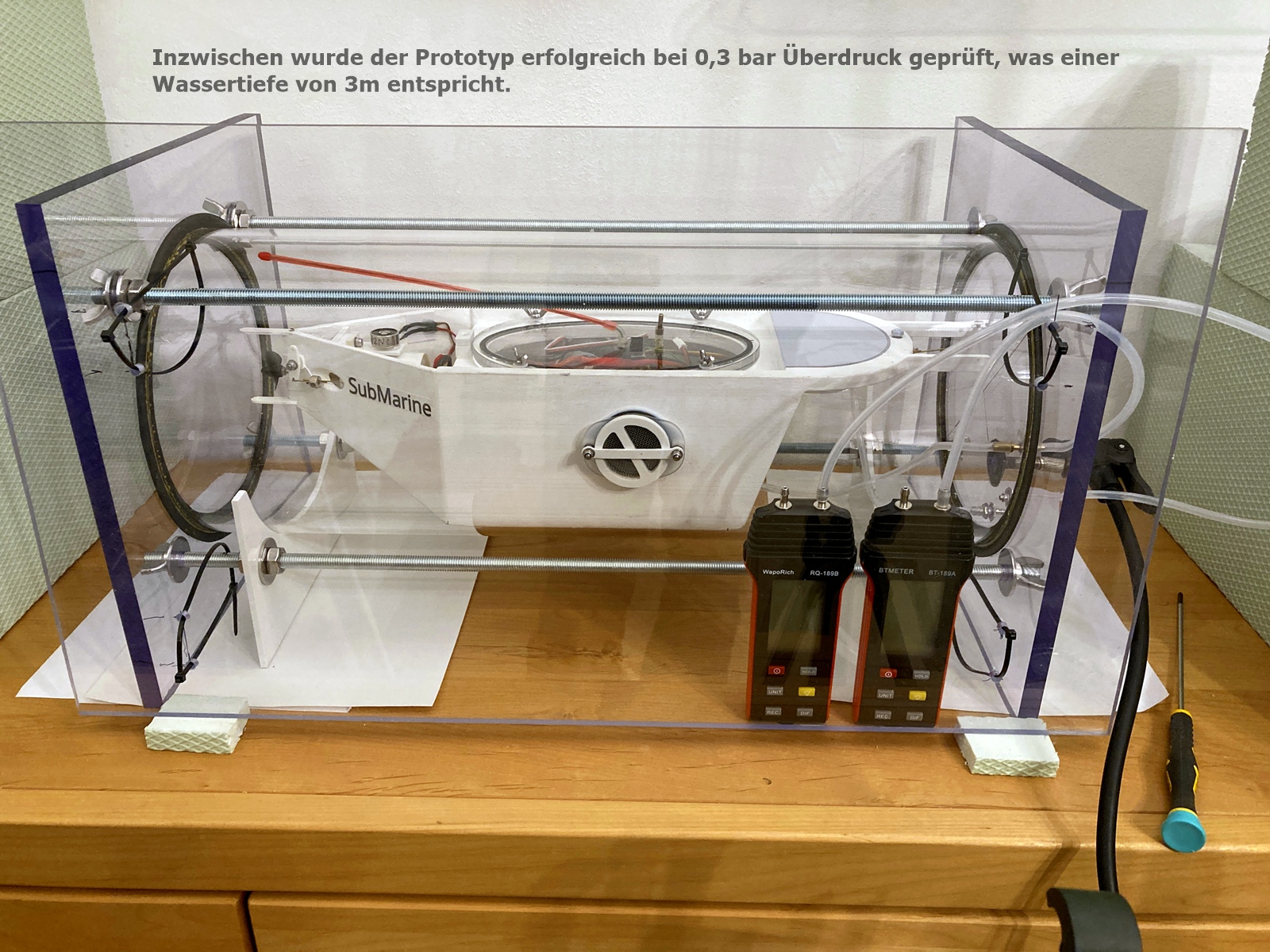
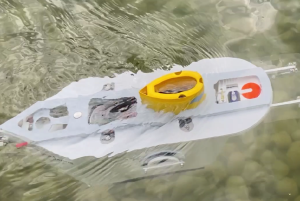
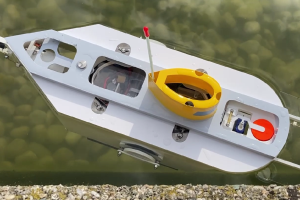
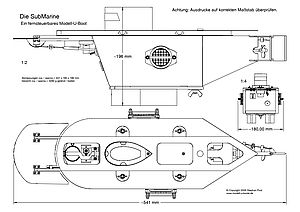
A submarine is — and remains — a demanding undertaking. It needs to be watertight, pressure-resistant, and reliable, while also exhibiting good dynamic handling characteristics. On top of that, however, come my own personal requirements: simple construction, good accessibility, ease of maintenance, safety, practical handling, and low weight. Ultimately, the SubMarine was built using wood and plastic panels — specifically, without internal frames and primarily from 10 mm plywood sheets. Since I did not succeed in applying a sufficiently effective water-resistant finish to the wood, looking back, I would use only plastic panels for any future build — including the pressure hull. I would, however, keep the dimensions unchanged. The construction instructions provide further details on this. The diving system consists of two modified medical syringes, which are controlled together by a centrally located servo. This system implements changes in displacement virtually without delay, eliminating long wait times. The two rudder servos are each attached to the pressure hull with only one screw. The control linkages are sealed via O-rings, which are pressed onto the linkage by a "too small" silicone hose. The ballast is largely mounted on a plastic plate attached beneath the boat and can be slid fore and aft to adjust the center of gravity. It is also quickly detachable, which can be a major advantage for transport and assembly. I wanted to avoid using toxic lead ballast. The hammer heads used instead are made of steel; they offer concentrated weight in a suitable size, as well as decent streamlining. The external motor is sealed to the shaft with a Teflon plate. The antenna can be positioned vertically or horizontally. To do this, it is simply folded down and guided into the intermediate deck area. Despite the SubMarine's relatively small size and the use of standard servos, there is still room for additional functions, such as a camera. What's also interesting about the SubMarine is its form factor, which allows for a clear and uncluttered interior while simultaneously resulting in a compact and robust appearance. And all this without significantly compromising its handling characteristics. For this model submarine, a free set of plans — including 3D data (STL and STEP) — is available at the bottom of this page. ...and brand new as of August 23, 2026: A lifebuoy has been integrated! |
|
| Fotos: | 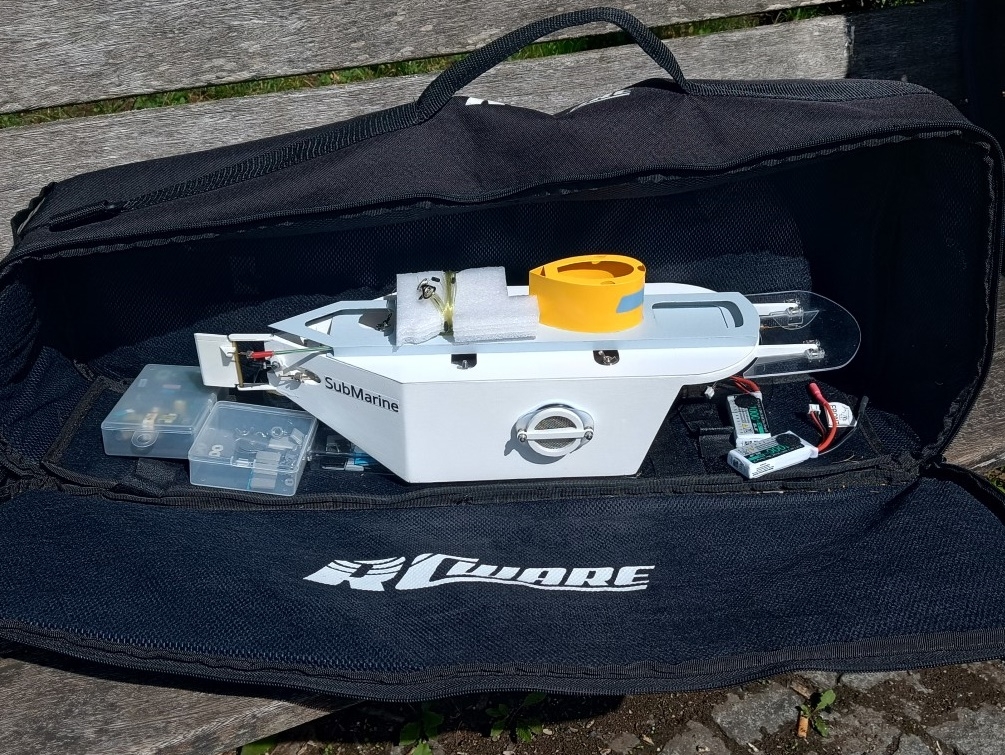 |
 |
 |
 |
 |
 |
 |
 |
 |
|
 |
 |
 |
 |
 |
 |
 |
 |
 |
 |
 |
 |
 |
 |
 |
 |
 |
 |
 |
 |
 |
 |
 | >
 |
 |
 | >
 |
 |
 |
 |
 |
 |
 |
 |
| Videos + Baupläne: |  |
 |
 |
 |
 |
 |
 |
 |
 |
 |
 |
 |
 |
 |
 |
 |
 |
 |
 |
 |
 |
 |
 |
 |
COPYRIGHT MODELL-U-BOOTE.de